
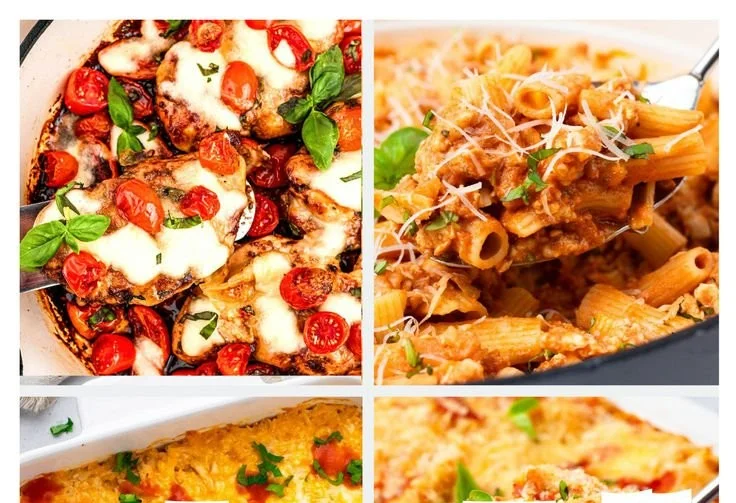
27 Easy Lazy Fall High Protein Dinner Ideas You’ll Love
There’s something about the first crisp breath of fall that makes you crave warm, comforting dinners that also power you through busy evenings. Picture this: a sheet-pan of maple-mustard glazed salmon coming out of the oven, the glaze caramelized at the edges, the aroma of roasted Brussels sprouts and garlic wafting through the kitchen, and a bowl of fluffy quinoa steaming gently beside it. The salmon flakes tenderly when you press a fork into it—silky, rich, slightly sweet from maple, tangy from Dijon—with a crisp edge from the oven. The Brussels sprouts are caramelized and nutty, with a little chew and a tiny char; the quinoa adds a pleasant bite and soaks up the pan juices.
This dish is exactly the kind of high-protein, lazy-fall dinner you’ll turn to again and again: minimal hands-on time, big autumnal flavors, and satisfying nutrition that keeps you full without feeling heavy. Perfect for a cozy weeknight, an effortless weekend dinner with friends, or meal-prepping for a busy week. It’s comforting, nourishing, and unfussy—ideal for anyone who wants great taste with little fuss.
Dish Snapshot
- Prep Time: 15 minutes
- Cook Time: 20–25 minutes
- Total Time: 40 minutes (including quinoa cooking)
- Servings: 4
- Difficulty Level: Easy — one pan and one pot; great for beginners
Nutrition Highlights
Estimated nutrition per serving (1/4 of recipe). Values calculated using USDA FoodData Central entries for salmon, quinoa, and vegetables; consider this an estimate for planning purposes.
- Calories: ~620 kcal
- Protein: ~47 g
- Carbohydrates: ~44 g
- Fat: ~30 g
- Fiber: ~7 g
- Sodium: ~750 mg (depends on added salt and mustard)
Note: These are approximations. USDA FoodData Central and government nutrition resources were used to estimate macronutrients. Individual results will vary based on ingredient brands and exact portion sizes.
Why You’ll Love It
- High-protein and satisfying: Salmon and quinoa combine to deliver a robust dose of complete protein, making this a great post-workout or weeknight recovery meal.
- Seasonal flavors: Maple and Dijon create a warm-sweet-tangy glaze that complements earthy Brussels sprouts—an autumn flavor profile that feels festive without being fussy.
- Effortless and fast: One sheet pan + one pot. Minimal cleanup, minimal active time, maximum comfort.
- Versatile: Ideal for family dinners, solo fuel, or plating up for friends. It works well for batch-cooking and makes balanced leftovers for lunches.
- Healthful fats: Salmon brings heart-healthy omega-3s—an added reason to make this a regular rotation (see USDA and Mayo Clinic guidance on fish in a healthy diet).
Step-by-Step Instructions
Ingredients
- 4 salmon fillets (6 oz / ~170 g each), skin on or off, as you prefer
- 1 cup uncooked quinoa (about 170 g)
- 1 lb (about 450 g) Brussels sprouts, trimmed and halved
- 2 tbsp extra-virgin olive oil, divided
- 2 tbsp pure maple syrup
- 2 tbsp Dijon mustard
- 2 garlic cloves, minced
- 1 tsp smoked paprika (optional)
- Salt and freshly cracked black pepper, to taste (start with 1/2–1 tsp salt total)
- 1 lemon, cut into wedges (for serving)
- Optional garnish: chopped parsley, toasted pumpkin seeds
Optional ingredients and substitutions
- Swap quinoa for brown rice (1 cup uncooked) or farro for a chewier grain.
- Use honey instead of maple syrup (not vegan).
- For a lower sodium option, reduce added salt and use low-sodium mustard or omit mustard.
- For a vegan alternative, replace salmon with thick slices of marinated and baked tofu or tempeh (see variations).
Method
- Preheat the oven to 425°F (220°C). Rinse quinoa in a fine-mesh sieve under cold water.
- Cook quinoa: Combine 1 cup quinoa with 2 cups water and a pinch of salt in a medium pot. Bring to a boil, reduce to low, cover, and simmer 15 minutes until water is absorbed. Remove from heat and let sit covered for 5 minutes; fluff with a fork.
- While quinoa cooks, prepare the glaze: whisk together maple syrup, Dijon mustard, minced garlic, smoked paprika (if using), and 1 tbsp olive oil. Season lightly with pepper.
- Toss Brussels sprouts with remaining 1 tbsp olive oil, a pinch of salt, and pepper. Spread them in a single layer on a rimmed baking sheet.
- Roast Brussels sprouts for 10 minutes. Remove the sheet pan, give them a stir or shake, and push them to the sides to make room for salmon fillets (or transfer briefly to a bowl if space is tight).
- Pat salmon dry with paper towel; brush each fillet generously with the maple-mustard glaze. Place salmon fillets on the pan skin-side down (if using skin) between the sprouts. Drizzle any remaining glaze over Brussels sprouts.
- Roast everything together for 10–12 minutes for medium doneness, or 12–15 minutes for well done. (USDA recommends cooking fish to an internal temperature of 145°F / 63°C.) Salmon should flake easily with a fork and have opaque, evenly colored flesh.
- If you like a touch of char, switch oven to broil for 1–2 minutes—watch closely to avoid burning the glaze.
- Plate: divide quinoa among plates, top with a salmon fillet and roasted Brussels sprouts. Squeeze lemon over the top and garnish with parsley or toasted pumpkin seeds.
Practical tips:
- Don’t overcrowd the pan—air circulation ensures even roasting.
- Pat salmon dry before glazing to help the glaze adhere.
- Use a thermometer to check doneness if you’re unsure: 145°F is USDA-safe for fish.
- If your Brussels sprouts are small, reduce roasting time slightly so they don’t overcook.
Best Pairings
- Simple green salad with apple, radish, and a lemon vinaigrette for brightness.
- Creamy mashed sweet potatoes or roasted fingerling potatoes for a heartier plate.
- A glass of crisp white wine (Sauvignon Blanc or unoaked Chardonnay) or sparkling water with lemon.
- For a cozy beverage after, herbal tea like chamomile or a light black tea pairs nicely with the maple notes.
- Leftover flakes work great on top of mixed greens or folded into an autumn grain bowl.
Storage Instructions
- Room temperature: Do not leave cooked salmon or cooked quinoa at room temperature for more than 2 hours (1 hour if >90°F / 32°C). Bacteria grow quickly at room temperature.
- Refrigeration: Store cooled leftovers in airtight containers for 3–4 days. Reheat gently to avoid drying the salmon—covered in the oven at 275–300°F (135–150°C) for 10–15 minutes or microwave at 50% power in short bursts.
- Freezer: For longer storage, freeze cooked salmon and quinoa separately in airtight containers or heavy-duty freezer bags for up to 2–3 months. Thaw overnight in the refrigerator before reheating.
Chef’s Advice
- Pick fresh salmon with firm flesh and a mild sea scent; avoid fish with a strong, fishy odor.
- If using skin-on salmon, crisp the skin by starting salmon skin-side down and pressing gently for the first minute of pan-searing before finishing in the oven for texture contrast (or place skin-side down on the sheet pan).
- For maximum glaze adhesion and caramelization, brush glaze on during the last 5 minutes of roasting, then broil briefly if desired.
- Balance salt levels: because Dijon and certain condiments add sodium, taste the glaze and season sparingly. You can always add more at the table.
- Texture key: quinoa should be fluffy, not mushy—use a 2:1 water-to-quinoa ratio and avoid lifting the lid while it steams at the end.
Creative Twists
- Autumn Harvest Vegan Bowl: Replace salmon with thick, maple-mustard marinated tofu or roasted seasoned chickpeas. Swap quinoa for farro or barley and add roasted butternut squash for sweetness.
- Mediterranean Flip: Swap Dijon-maple glaze for a mixture of olive oil, lemon zest, minced oregano, and a splash of white wine. Serve with roasted tomatoes and a side of herby couscous.
- Spicy-Sweet Kick: Add 1 tsp sriracha or chili flakes to the maple glaze for heat. Pair with cilantro-lime quinoa and black beans for a fusion twist.
All Your Questions Answered
Q: Can I use frozen salmon?
A: Yes—thaw in the refrigerator overnight and pat dry before glazing. Adjust cook time if still slightly frozen.
Q: How can I make this lower-calorie?
A: Reduce olive oil to 1 tbsp, skip the maple syrup (use a light brush of lemon + Dijon), and serve a smaller salmon portion with extra greens.
Q: Will this work with other vegetables?
A: Absolutely. Use cauliflower florets, carrots, or sliced bell peppers—just adjust roast times for denser veggies.
Q: Can I meal-prep this for lunches?
A: Yes. Store salmon and quinoa separately and add Brussels sprouts the day you plan to eat, or reheat everything gently to avoid drying.
Q: Is quinoa necessary for protein?
A: Quinoa adds plant-based complete protein and fiber, but you can swap with other grains; just account for changes in macronutrient totals.
Conclusion
This maple-mustard sheet-pan salmon with roasted Brussels sprouts and quinoa is a fall-friendly, high-protein dinner that’s quick, comforting, and full of seasonal flavor—ideal for busy weeknights or relaxed weekend meals. Try it, tweak it, and share your photos and notes so we can build a cozy, high-protein fall dinner community together. For more quick, lazy fall protein ideas, check out 27 Fall High Protein Dinner Ideas for Lazy People – Cushy Spa, and if you’re exploring plant-based protein options, this roundup of High Protein Vegan Meals – Mississippi Vegan has excellent inspiration. Enjoy—and happy cooking!
Print
Maple-Mustard Glazed Salmon with Roasted Brussels Sprouts and Quinoa
- Total Time: 40 minutes
- Yield: 4 servings 1x
- Diet: Paleo
Description
A comforting, high-protein sheet pan dinner featuring maple-mustard glazed salmon, roasted Brussels sprouts, and fluffy quinoa, perfect for busy weeknights.
Ingredients
- 4 salmon fillets (6 oz / ~170 g each), skin on or off
- 1 cup uncooked quinoa (about 170 g)
- 1 lb (about 450 g) Brussels sprouts, trimmed and halved
- 2 tbsp extra-virgin olive oil, divided
- 2 tbsp pure maple syrup
- 2 tbsp Dijon mustard
- 2 garlic cloves, minced
- 1 tsp smoked paprika (optional)
- Salt and freshly cracked black pepper, to taste
- 1 lemon, cut into wedges (for serving)
- Optional garnish: chopped parsley, toasted pumpkin seeds
Instructions
- Preheat the oven to 425°F (220°C). Rinse quinoa in a fine-mesh sieve under cold water.
- In a medium pot, combine quinoa with 2 cups of water and a pinch of salt. Bring to a boil, reduce to low, cover, and simmer for 15 minutes until water is absorbed. Remove from heat and let sit covered for 5 minutes; fluff with a fork.
- While quinoa cooks, prepare the glaze: whisk together maple syrup, Dijon mustard, minced garlic, smoked paprika (if using), and 1 tbsp olive oil. Season lightly with pepper.
- Toss Brussels sprouts with remaining 1 tbsp olive oil, a pinch of salt, and pepper. Spread them on a rimmed baking sheet.
- Roast Brussels sprouts for 10 minutes. Remove the sheet pan, stir or shake them, and push to the sides to make room for salmon fillets.
- Pat salmon dry; brush each fillet generously with the maple-mustard glaze. Place salmon on the pan skin-side down (if using skin) between the sprouts, drizzling any remaining glaze over the sprouts.
- Roast everything together for 10–12 minutes for medium doneness, or 12–15 minutes for well-done salmon. For a touch of char, switch to broil for 1–2 minutes, watching closely.
- Plate the dish by dividing quinoa among plates, topping with a salmon fillet and roasted Brussels sprouts, and squeezing lemon over the top. Garnish with parsley or pumpkin seeds.
Notes
Ensure salmon is fresh with firm flesh for best results. Use a thermometer to check doneness (145°F for fish). Quinoa should be fluffy, not mushy.
- Prep Time: 15 minutes
- Cook Time: 25 minutes
- Category: Main Course
- Method: Baking
- Cuisine: American
Nutrition
- Serving Size: 1 serving
- Calories: 620
- Sugar: 7g
- Sodium: 750mg
- Fat: 30g
- Saturated Fat: 4g
- Unsaturated Fat: 20g
- Trans Fat: 0g
- Carbohydrates: 44g
- Fiber: 7g
- Protein: 47g
- Cholesterol: 60mg
Printable Recipe Card
Want just the essential recipe details without scrolling through the article? Get our printable recipe card with just the ingredients and instructions.


