Introduction
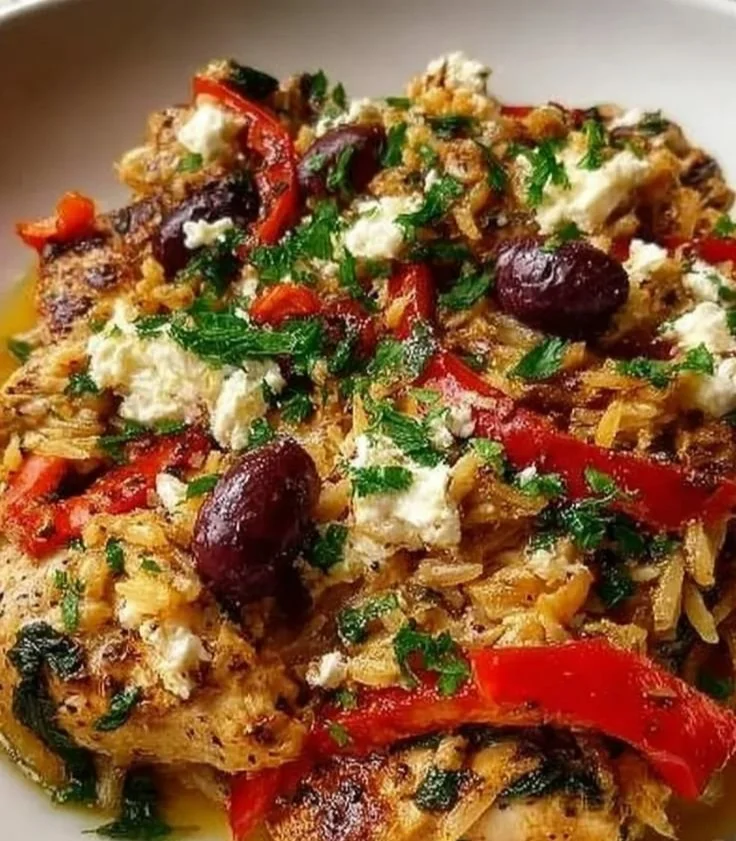
Close your eyes and picture this: golden, bubbling orzo peeking through a tapestry of tender shredded chicken, briny Kalamata olives, and creamy crumbles of feta. The aroma—warm olive oil, roasted garlic, and bright oregano—fills the kitchen and promises comfort in every forkful. The first bite rewards you with a comforting contrast: pillowy orzo, a savory chicken backbone, the salty pop of olives, and the creamy tang of feta melting into the mix. It’s the kind of dish that warms you from the inside out and invites second helpings.
This Greek Chicken Casserole is perfect for weeknight dinners when you want something that feels special without fuss, for cozy family gatherings where everyone digs into a shared pan, or for batch-cooking on a Sunday to fuel weekday lunches. If you enjoy casseroles with Mediterranean flair, this one is a keeper—simple to assemble, brightened with herbs and tomatoes, and forgiving enough to adapt to pantry finds. For a different comforting casserole idea to try another time, see this angel chicken and rice casserole inspiration.
Dish Snapshot
- Prep Time: 15 minutes
- Cook Time: 40–45 minutes (30 minutes covered, 10–15 minutes uncovered)
- Total Time: 55–60 minutes
- Servings: 4 generous servings
- Difficulty Level: Easy — great for beginner cooks and busy weeknights
Nutritional Breakdown
The following nutrition estimates are per serving (recipe yields 4 servings). Values are calculated using standard portion sizes and typical ingredient nutrition profiles (USDA FoodData Central) and rounded for clarity. If you need precise values for medical reasons, use an exact ingredient scale and nutrition calculator or consult a registered dietitian.
Estimated nutrition per serving:
- Calories: ~450 kcal
- Protein: ~33 g
- Carbohydrates: ~33 g
- Fiber: ~2–3 g
- Fat: ~21 g
- Saturated fat: ~7–8 g
- Sodium: ~700–900 mg (varies widely depending on feta, olives, and broth)
Notes:
- Sodium can be high because of feta, Kalamata olives, and canned broth/tomatoes. To reduce sodium, choose low-sodium broth and rinsed low-sodium or reduced-salt feta, or reduce the olives.
- Protein is substantial thanks to the chicken and feta, making the casserole filling and suitable as a balanced main course.
Sources: USDA FoodData Central for nutrient profiles; Mayo Clinic and CDC for general dietary guidance on sodium and balanced macronutrient recommendations.
Why You’ll Love It
This casserole hits a satisfying sweet spot: it tastes like a home-cooked Greek-inspired meal but doesn’t demand hours of work. The flavors are bright and layered—tomato acidity and oregano balance the salty feta and olives, while the orzo soaks up broth and releases a lovely, creamy texture. Serve it when you want comfort food that still feels fresh and Mediterranean: think cold evenings, casual dinner parties, or when you want to bring something crowd-pleasing to a potluck. It’s also a terrific vehicle for memories—adaptable to what you have, and always the kind of dish that invites conversation (and an extra scoop).
Step-by-Step Instructions
Ingredients
- 2 cups cooked chicken, shredded (about 280 g cooked)
- 1 cup orzo pasta (dry)
- 1 can (15 oz) diced tomatoes, drained
- 1 cup spinach, chopped (about 1 packed cup)
- 1 cup feta cheese, crumbled (about 150 g)
- 1/2 cup Kalamata olives, sliced
- 1/4 cup red onion, diced
- 2 cloves garlic, minced
- 1 teaspoon dried oregano
- 1 teaspoon salt (adjust to taste)
- 1/2 teaspoon black pepper
- 2 cups chicken broth (use low-sodium if preferred)
- 2 tablespoons olive oil
Optional ingredients and substitutions
- Lemon zest and a squeeze of lemon juice for brightness
- 1/2 cup artichoke hearts or sun-dried tomatoes for extra Mediterranean flavor
- Substitute cooked shredded rotisserie chicken for ease
- For gluten-free: use gluten-free orzo or substitute quinoa (cook time adjustment required)
- For lower sodium: use low-sodium chicken broth, rinse canned tomatoes, reduce feta/olives, or use reduced-sodium feta
Directions
- Preheat the oven to 375°F (190°C).
- In a large mixing bowl, combine the shredded cooked chicken, dry orzo, drained diced tomatoes, chopped spinach, crumbled feta, sliced Kalamata olives, diced red onion, minced garlic, oregano, salt, and black pepper. Gently mix to combine.
- In a separate small bowl or measuring cup, whisk together the chicken broth and olive oil.
- Pour the broth-and-oil mixture over the chicken-and-orzo mixture and stir until ingredients are evenly moistened.
- Transfer the combined mixture to a greased 9×13-inch (or similar) baking dish and spread it evenly.
- Cover the dish tightly with aluminum foil and bake for 30 minutes.
- Remove the foil and bake for an additional 10–15 minutes, or until the orzo is tender and the top is lightly golden.
- Let the casserole rest for a few minutes before serving so flavors settle. Enjoy your delicious Greek Chicken Casserole!
Practical tips while cooking
- Avoid overmixing wet and dry ingredients once the broth is added—stir just enough for even distribution so the orzo cooks evenly.
- Check orzo doneness at the 40-minute mark; baking times vary by oven and orzo brand.
- If the casserole looks dry before the orzo is fully cooked, add an extra 1/4–1/2 cup of broth and continue baking.
- Use low-sodium broth and/or rinse canned ingredients to manage sodium levels.
Best Pairings
- Classic Greek salad (cucumber, tomatoes, red onion, a drizzle of olive oil, and lemon) for a crisp contrast.
- Tzatziki or a dollop of plain Greek yogurt on the side to add cool creaminess and a lemon-herb lift.
- Warm pita or crusty bread to soak up every last bit.
- Roasted lemon-garlic asparagus or green beans for a bright seasonal side.
- A light white wine (Assyrtiko or a crisp Sauvignon Blanc) complements the feta and oregano beautifully.
- For a comforting starter pairing, try a small bowl of avgolemono-style soup—its lemony broth complements the casserole’s savory notes nicely (see this avgolemono Greek lemon chicken soup for inspiration).
Shelf Life & Storage
Room temperature:
- Do not leave the casserole at room temperature for more than 2 hours (less if ambient temperature is high). Perishable foods should be refrigerated promptly.
Refrigeration:
- Store leftover casserole in an airtight container for 3–4 days. Reheat portions in the microwave or in a 350°F (175°C) oven until warmed through.
Freezer:
- This casserole freezes well. Cool completely, then portion into freezer-safe containers or wrap the baking dish tightly. Freeze for up to 3 months.
- To reheat from frozen: thaw overnight in the refrigerator, then bake at 350°F (175°C) for 20–30 minutes until heated through; or reheat directly from frozen, covered, at 350°F for about 50–60 minutes, checking for doneness.
Chef’s Advice
- Best chicken: use cooked chicken breast or thigh depending on preference—breast for leaner texture, thigh for more richness. Rotisserie chicken is an excellent shortcut.
- Orzo texture: aim for slightly undercooked orzo when combining with broth because it will finish cooking in the oven. This helps prevent a mushy texture.
- Cheese balance: crumble feta on top before baking for a golden, savory crust, or stir most of it in and reserve some for finishing to maintain a bright salty finish.
- Olive selection: pit and rinse Kalamata olives if you want milder salt; chopping them smaller distributes the flavor more evenly.
- Doneness cues: the casserole is ready when the orzo is tender and the top has lightly browned after removing the foil. If the top browns too quickly, tent foil loosely.
Creative Twists
-
Vegetarian Mediterranean Casserole
- Swap the chicken for 2 cups cooked chickpeas or roasted cauliflower florets. Use vegetable broth instead of chicken broth and substitute vegan feta for a plant-based version.
-
Gluten-Free or Quinoa Version
- Replace orzo with 1 1/4 cups uncooked quinoa (rinsed) and increase broth to 2 1/2 cups. Bake covered until quinoa is tender (may require 35–40 minutes covered).
-
Lemon-Herb & Artichoke Boost
- Add 1/2 cup chopped artichoke hearts, zest of 1 lemon, and a handful of chopped fresh dill or parsley before serving for a brighter, herb-forward variation.
All Your Questions Answered
Q: Can I use raw chicken in this recipe?
A: This version calls for cooked shredded chicken. If you prefer using raw, cut it into small pieces and sauté until cooked through, then proceed—but adjust baking time and ensure internal chicken temperature reaches 165°F (74°C).
Q: My casserole is too watery—what went wrong?
A: Common causes: too much broth, very juicy canned tomatoes, or undercooked orzo continuing to release starch. Next time use drained tomatoes, reduce broth slightly, or give it extra uncovered bake time to allow excess liquid to evaporate.
Q: How can I reduce sodium without losing flavor?
A: Use low-sodium broth, rinse canned tomatoes and olives, reduce the feta slightly, and boost fresh herbs, lemon zest, and garlic for flavor without salt.
Q: Is there a good way to make this ahead?
A: Yes—assemble in the baking dish, cover tightly, and refrigerate for up to 24 hours. Add a few extra minutes to baking time if baking straight from the fridge.
Conclusion
This Greek Chicken Casserole is an approachable, flavorful weeknight champion—comforting, Mediterranean, and flexible to suit many diets. Make it your own with the variations above, and don’t be shy about sharing photos or tips with friends and family: casseroles are meant to be enjoyed together.
For more inspiration and a similar spin on this classic, check out this Easy Greek Chicken Casserole – Meals with Maggie, and for another take that may spark a new idea, see Greek Chicken Casserole – Ovenspiration.