
Introduction
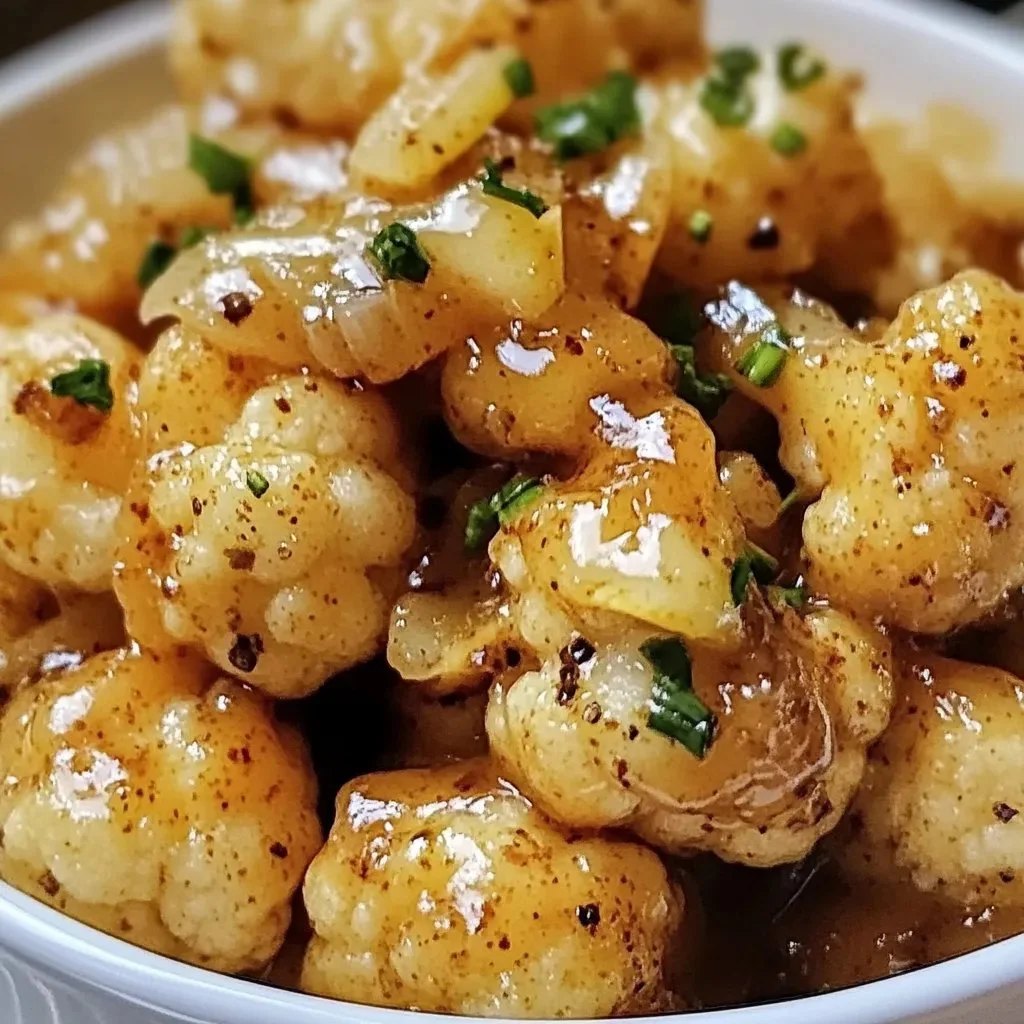
Imagine a pan-scorched aroma of citrus and cracked pepper filling your kitchen as glossy, caramelized florets arrive at the table — bright, tangy lemon cutting through warm maple sweetness with a satisfying peppery bite and just a whisper of garlic. The edges are crisp, the interior tender, and the glaze gives every floret a sticky, irresistible sheen that makes one reach for another piece before the first is even finished. This Must-Try Vegan Lemon Pepper Cauliflower is both comfort and celebration in one bowl: familiar roasted warmth with a citrusy, modern twist.
It’s perfect for weeknight dinners when you want something quick and showy, for potlucks where plant-based dishes should never be an afterthought, or for festive tables where everyone—vegans and omnivores alike—will be asking for the recipe. If you like pairing bright flavors with roasted textures, this dish will quickly become a go-to. Pair it with a cooling drink like a hibiscus refresher for contrast — here’s a great complementary recipe I love: hibiscus strawberry lemonade refresher.
At a Glance
- Prep time: 10 minutes
- Cook time: 20–25 minutes (roasting) + 3–4 minutes (glaze)
- Total time: 35–40 minutes
- Servings: 4 (as a side or snack)
- Difficulty: Easy — great for beginner cooks and busy households
Nutrition Highlights
Estimated nutrition per serving (1/4 of recipe). Values are approximations calculated from standard ingredient databases (USDA FoodData Central) and represent typical groceries; adjust if you use low-sodium or light-oil alternatives.
- Calories: ~180 kcal
- Protein: ~4.5 g
- Carbohydrates: ~19 g
- Sugars: ~6–7 g (from maple syrup and natural vegetable sugars)
- Fiber: ~4 g
- Fat: ~11 g (primarily from olive oil)
- Sodium: ~725 mg (largely from soy sauce and added salt)
Notes on the numbers and health context: cauliflower is a low-calorie, fiber-rich vegetable with vitamins C and K; olive oil provides heart-healthy monounsaturated fats; watch sodium from soy sauce — low-sodium soy sauce reduces sodium per serving substantially. For guidance on daily sodium and overall nutrition, consult resources like the Mayo Clinic or government dietary recommendations.
Why You’ll Love It
- Bright, balanced flavor: Lemon brings acidity to cut through the maple’s sweetness while freshly cracked black pepper adds warmth and mouth-coating spice.
- Friendly to many diets: Nut-free, dairy-free, and naturally vegan — yet deeply satisfying.
- Speed without compromise: Ready in under 45 minutes with mostly hands-off roasting.
- Crowd-pleasing texture: Crispy edges and tender centers make this versatile for snacks, plated sides, or tossed into bowls and salads.
- Great for seasonal entertaining: The citrus brightness makes it refreshing for spring and summer spreads, yet the roast and maple warmth work beautifully in cozy autumn or winter menus.
How to Make Must-Try Vegan Lemon Pepper Cauliflower Best Glaze Technique
Ingredients
- 1 large head of cauliflower, cut into bite-sized florets
- 2 tablespoons olive oil (for tossing)
- 0.5 teaspoon salt
- 3 tablespoons lemon juice
- 2 tablespoons maple syrup
- 2 tablespoons soy sauce
- 1 tablespoon olive oil (for the glaze)
- 2 teaspoons freshly cracked black pepper
- 2 cloves garlic, minced
- 1 teaspoon cornstarch
- 2 tablespoons water
Optional ingredients and substitutions
- Substitute tamari or coconut aminos for soy sauce (for gluten-free or lower-sodium options, choose low-sodium tamari).
- Swap maple syrup for agave or brown rice syrup if needed (flavor will be slightly different).
- Add 1 teaspoon lemon zest for an extra punch of citrus.
- For a spicier kick, add 1/4–1/2 teaspoon red pepper flakes to the glaze.
Step-by-step instructions
- Preheat your oven to 425°F (220°C). Line a large baking sheet with parchment paper.
- In a large bowl, toss the cauliflower florets with the 2 tablespoons of olive oil and 0.5 teaspoon salt until evenly coated. Make sure florets are dry-ish so they roast instead of steam.
- Spread the cauliflower out in a single layer on the prepared baking sheet — crowding reduces browning, so use two sheets if needed.
- Roast for 20–25 minutes, or until the edges are crispy and golden brown. Flip or shake the pan halfway through for even color. Check at 18 minutes if your oven runs hot.
- While the cauliflower roasts, make the glaze: whisk together the 3 tablespoons lemon juice, 2 tablespoons maple syrup, 2 tablespoons soy sauce, 1 tablespoon olive oil, 2 teaspoons cracked black pepper, and 2 cloves minced garlic in a small saucepan.
- In a separate small bowl, mix the 1 teaspoon cornstarch with the 2 tablespoons water until smooth to make a slurry. Whisk this slurry into the saucepan.
- Place the saucepan over medium heat. Bring the mixture to a simmer, whisking constantly. Let it cook for 1–2 minutes until it thickens to a glossy, pourable glaze. Remove from heat immediately (glazes thicken quickly).
- Transfer the roasted cauliflower to the large bowl. Pour the warm lemon pepper glaze over the top and toss gently until every floret is coated. Avoid over-tossing to preserve crisp edges.
- Serve immediately so the florets keep their crispness and the glaze stays glossy.
Practical tips
- Avoid overcrowding on the baking sheet — proper airflow equals crispy edges.
- If cauliflower is wet, pat dry; excess moisture causes steaming.
- Keep glaze warm but off high heat — cornstarch can break down if overheated.
- Taste and adjust: if the glaze is too sharp, add a touch more maple; if too sweet, a squeeze more lemon balances it.
Serve It Up
- As a side: Serve alongside grilled tofu, chickpea patties, or roasted root vegetables.
- On bowls: Toss with quinoa or brown rice, fresh greens, and avocado for a hearty grain bowl.
- As a snack or appetizer: Serve on a platter with toothpicks and a cooling tahini-yogurt style dip (vegan yogurt mixed with lemon and dill).
- Salad topper: Cool slightly and sprinkle over a green salad for crunch and zing.
- Sandwich filling: Layer into wraps with hummus and shredded cabbage for texture contrast.
For a bright beverage pairing, try a cold hibiscus refresher to complement the lemon notes — this variation pairs especially well with the glaze flavor profile: hibiscus tea strawberry lemonade refresher.
Keeping it Fresh
- Room temperature: For safety, do not leave perishable roasted cauliflower at room temperature for more than 2 hours.
- Refrigerator: Store in an airtight container for up to 3–4 days. Re-crisp briefly under a 400°F (200°C) oven or in a hot skillet for 5–7 minutes before serving.
- Freezer: You can freeze roasted cauliflower, but texture will soften. Freeze in a single layer on a tray, then transfer to a freezer bag for up to 2 months. Thaw and reheat in a hot oven; expect less crispness.
Chef’s Advice
- Use fresh, dense cauliflower heads — look for tight florets and no brown spots.
- Freshly crack black pepper just before glazing for brighter flavor and aroma; pre-ground pepper loses its kick.
- A hot oven is essential; lower temperatures won’t produce the same caramelized edges.
- If you prefer ultra-crispy texture, roast at high heat, then finish under the broiler for 1–2 minutes while watching closely.
- Balance is key: taste the glaze before thickening. If it’s too intense, a splash more oil or a pinch more maple will smooth it out.
Creative Twists
- Smoky Sriracha: Add 1–2 teaspoons smoked paprika and 1–2 teaspoons Sriracha to the glaze for a smoky, spicy version.
- Herb & Citrus: Stir in 1 tablespoon chopped fresh parsley and 1 teaspoon lemon zest after tossing for a fresh herb finish.
- Savory Maple-Miso: Replace soy sauce with 1 tablespoon white miso dissolved in 1 tablespoon warm water for deeper umami; reduce added salt.
- Nutty Crunch: After glazing, sprinkle toasted sliced almonds or pepitas for texture (omit for nut-free).
Recipe Q&A
Q: Can I make this gluten-free?
A: Yes — use tamari or coconut aminos in place of regular soy sauce (choose low-sodium if desired).
Q: How do I keep the cauliflower crispy after saucing?
A: Serve immediately. If storing, reheat briefly in a hot oven or skillet to restore crispness; avoid microwaving, which softens the florets.
Q: Is cornstarch necessary in the glaze?
A: It helps thicken quickly and makes a clingy glaze. For a slightly thinner finish, omit it and simmer until reduced, or use arrowroot for a clearer glaze.
Q: Can I roast smaller or larger florets?
A: Yes — adjust roasting time. Smaller pieces brown faster (watch at ~15 minutes); larger pieces need extra time.
Q: Any low-sodium tips?
A: Use low-sodium soy sauce/tamari and reduce added salt; the lemon and pepper provide strong flavor that compensates well.
Conclusion
This Vegan Lemon Pepper Cauliflower balances bright citrus, warm pepper, and sticky-sweet maple into a simple yet stunning dish that’s fast enough for weeknights and elegant enough for guests. Try the basic glaze technique once, and you’ll find innumerable ways to adapt it — from spice-forward variations to herb-bright plates.
If you’d like a creamy, complementary cauliflower-based sauce idea to explore next, check out a luscious vegan alternative here: Creamy Vegan Alfredo Sauce made with Cashews and Cauliflower. For a primer on roasting cauliflower to perfect golden-brown edges (a technique used here), Nora’s thorough guide is an excellent reference: Best Roasted Cauliflower with Garlic – Nora Cooks.
If you make this recipe, share your photos and tips in the comments — I love hearing how readers put their own spin on it. Happy roasting!


