Homemade Fajita Seasoning
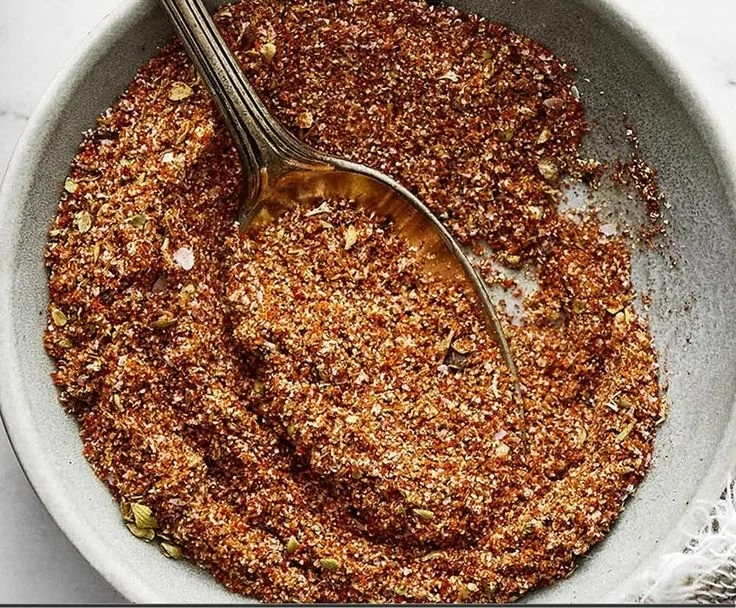
There’s a moment when you open a jar of homemade fajita seasoning and the air fills with warm, smoky, and garlicky perfume—the kind that makes your mouth water before the pan even hits the heat. This simple blend delivers a bright, savory aroma with a whisper of heat and an earthy backbone; on the tongue it’s smoky, slightly sweet, and perfectly balanced so it doesn’t overpower the meat or vegetables it seasons. The texture is fine and drinkable—just enough granularity from dried herbs to cling to proteins and veg without becoming gritty.
Make a jar on a relaxed afternoon, and you’ll find it’s the secret that turns weeknight dinners into something you look forward to, and small gatherings into memorable feasts. It’s perfect for quick skillet meals, festive taco nights, and camping or tailgate grills alike. Pair with fluffy rice, charred peppers and onions, and warm tortillas for an instant celebration at the table—try it alongside Andy’s Homemade Mexican Rice for a full, comforting spread.
At a glance
- Prep Time: 5 minutes
- Cook Time: 0 minutes (no cooking required)
- Total Time: 5 minutes
- Servings: Makes ~9–10 teaspoons (about 9–10 servings at 1 teaspoon each)
- Difficulty Level: Very easy — pantry-friendly and beginner-proof
Nutrition Highlights
- Nutrition per serving (1 teaspoon of seasoning):
- Calories: ~6 kcal
- Protein: ~0.28 g
- Carbohydrates: ~1.15 g
- Fat: ~0.20 g
- Sodium: ~255 mg
These values were calculated from the ingredient measures above using standard nutrient profiles from USDA FoodData Central and reflect typical ground spice data; sodium is dominated by the added salt. For perspective on recommended sodium intake and health guidance, see CDC recommendations on daily sodium limits. Because spice blends are used in small quantities, calories are minimal but sodium can add up if you use multiple teaspoons—adjust the salt level to fit your dietary needs.
Why You’ll Love It
- Instant flavor lift: This seasoning brings a smoky, aromatic boost that transforms plain chicken, beef, shrimp, or vegetables into something vibrant and craveable.
- Versatile and time-saving: Make a jar and you’ll have a go-to mix for weeknight tacos, sheet-pan dinners, and even roasted potatoes.
- Crowd-pleasing memories: The smell of fajitas sizzling is social and nostalgic—this blend helps recreate that table-side, celebratory mood at home.
- Customizable for health: You can easily reduce or swap out the salt for a lower-sodium version without sacrificing the core flavors.
How to Make Homemade Fajita Seasoning
Ingredients
- 1 tablespoon chili powder
- 1 teaspoon paprika
- 1 teaspoon cumin
- 1 teaspoon garlic powder
- 1 teaspoon onion powder
- 1 teaspoon salt
- 1/2 teaspoon black pepper
- 1/2 teaspoon oregano
Optional ingredients and substitutions:
- Reduce salt to 1/2 teaspoon or replace with a potassium chloride salt substitute for a lower-sodium mix.
- Add 1/4 teaspoon cayenne pepper for extra heat, or 1/2 teaspoon smoked paprika for a smokier profile.
- For a citrusy twist, add 1/2 teaspoon lime zest (use fresh) when using immediately.
Step-by-step instructions
- Measure all spices precisely and place them into a small mixing bowl. Use leveled measuring spoons for consistent flavor.
- In a small bowl, combine all the ingredients and mix well until fully uniform. Break up any lumps with the back of a spoon.
- Transfer the blend into an airtight container (a small jar or spice tin works well). Label with the date.
- Use about 1 teaspoon of seasoning per pound of protein as a light seasoning, or 1–2 teaspoons per pound for stronger flavor; adjust to taste. For vegetables, 1–2 teaspoons per 4 cups sliced veg is a good starting point.
- Store in a cool, dark place and shake or stir before each use to redistribute any settled bits.
Practical tips:
- Toast 1/2 teaspoon of cumin seeds in a dry pan for 30–60 seconds, then grind and use in place of the ground cumin for a brighter, deeper flavor.
- Avoid over-measuring salt if you plan to marinate in other salty ingredients (soy sauce, salty cheeses).
- Mix in small batches if you plan to use it up quickly; spices lose potency over time.
Best Pairings
- Classic fajitas: Sear sliced skirt steak or chicken with sliced bell peppers and onions; finish with a squeeze of lime and a sprinkle of the seasoning.
- Veg-forward option: Toss cauliflower or portobello strips with olive oil and 1–2 teaspoons of seasoning, roast at 425°F until caramelized.
- Marinade base: Mix 1–2 tablespoons seasoning with 2 tablespoons oil and 1 tablespoon lime juice for a quick grill marinade.
- Use as a taco dry rub, in chili powder-based stews, or to season roasted nuts for spicy snacks.
- For dessert contrast after a savory fajita meal, serve a simple fruit plate or try pairing the meal with a light sweet finish such as homemade apple bars.
Shelf Life & Storage
- Room temperature (airtight jar, pantry): Best flavor for up to 6 months; still usable up to 12 months but potency declines.
- Refrigeration: Not necessary; refrigeration can introduce moisture if not sealed properly. If you live in a very humid climate and your jar is absolutely airtight, refrigerating can help prevent clumping—use within 6–12 months.
- Freezer: If you want to keep a very long-term stash, store in a tightly sealed freezer container or vacuum bag; quality can be maintained for up to 12–24 months, but flash-freezing rarely yields extra benefit for ground spices.
- General safety note: Spices do not spoil like perishable foods but will lose aromatic oils and flavor; always check aroma before use.
Pro Tips & Tricks
- Freshness matters: Spices reach their peak within months of grinding. If you can, buy whole spices (cumin, peppercorns, oregano) and grind or toast as needed. The difference in aroma is immediate.
- Balance your salt: If you use salty condiments in your recipes, reduce the seasoning salt by half and add more later if needed.
- Scale confidently: This recipe scales linearly—double or triple the recipe for larger jars. Store in small jars to keep each opened jar fresh.
- Match cooking methods: Use more seasoning for dry-heat methods (grilling, roasting) and slightly less for saucier dishes where flavors concentrate.
- Test with a pinch: When seasoning proteins, sprinkle a pinch onto a small cooked scrap of meat or veg to check seasoning before seasoning the whole batch.
Delicious Variations
- Low-Sodium Version: Reduce salt to 1/4–1/2 teaspoon and add 1/4 teaspoon ground celery seed or 1/4 teaspoon smoked paprika to enhance perceived savoriness.
- Smoky Chipotle Twist: Replace 1 teaspoon of chili powder with 1 teaspoon chipotle chili powder or 1/2 teaspoon chipotle powder + 1/2 teaspoon smoked paprika for a smoky, spicy hit.
- Citrus-Lime Brightness: Add 1/2 teaspoon lime zest and 1/4 teaspoon ground coriander to brighten the mix—great for shrimp fajitas and fish.
- Herb-forward Blend: Increase oregano to 1 teaspoon and add 1/2 teaspoon dried cilantro (or coriander leaf) for a greener, herbaceous profile.
- Gluten-free & vegan: This recipe is naturally gluten-free and vegan—just verify any packaged spice cross-contamination if you need strict gluten-free certification.
Recipe Q&A
Q: Can I omit salt?
A: Yes—omit or reduce the salt and season to taste once the finished dish is cooked. Many people prefer to add salt later, especially if using salty marinades or sauces.
Q: How much seasoning per pound of meat?
A: Start with 1 teaspoon per pound for a light coat, 1–2 teaspoons per pound for more pronounced flavor; adjust based on whether you’ll also use sauces.
Q: Will the flavor last if I make a big batch?
A: Spices lose potency over time. For best flavor, make a batch that you’ll use within 3–6 months; larger batches are fine if stored in airtight, opaque jars away from heat and sunlight.
Q: Can this be used as a dry rub?
A: Yes—use 1–2 tablespoons per pound as a rub for steak or pork, letting it rest briefly before grilling to let flavors adhere.
Q: How do I reduce heat?
A: Replace the chili powder with sweet paprika and add a pinch of smoked paprika for depth without the heat; you can also omit any cayenne or chipotle additions.
Conclusion
This homemade fajita seasoning is a tiny jar with big culinary returns: quick to make, endlessly adaptable, and remarkably effective at turning simple ingredients into something memorable. Try it the next time you want a flavorful, comforting meal that feels both nostalgic and fresh. For another take on batch sizes and measurements, see Fajita Seasoning Recipe (Small & Big Batch Measurements), and for an alternative “better-than-store-bought” version and serving ideas, check out Fajita Seasoning (Better Than Store-Bought) | Downshiftology. If you make a jar, share your photos and any tweaks—you never know which small change will become someone else’s favorite.