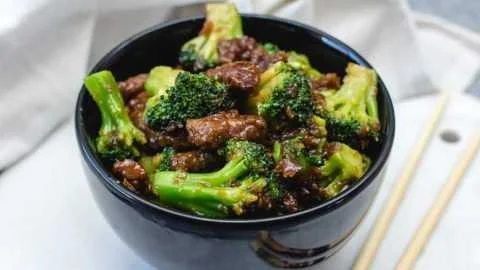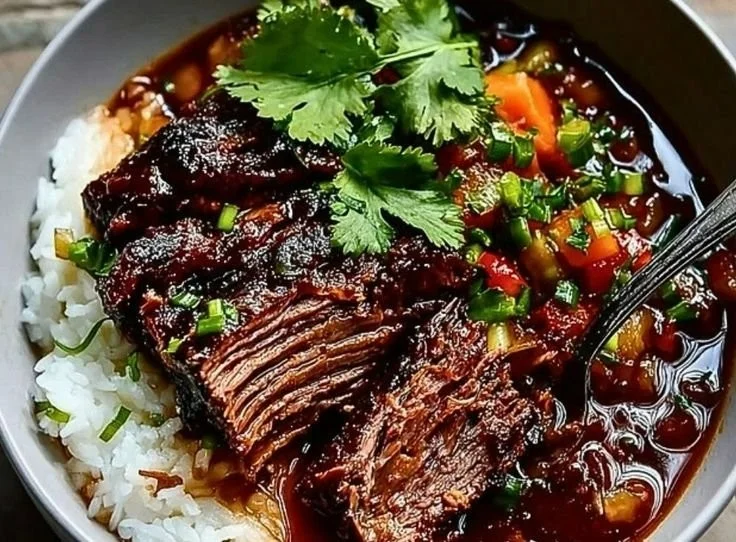
Korean Style Pot Roast — a slow-braised, deeply savory centerpiece with a Korean twist — transforms a humble chuck roast into something soulful and unforgettable. Imagine the kitchen filled with an intoxicating aroma of caramelized onions, warm garlic, and the savory-sweet tang of gochujang melding with browned beef. The first bite yields fork-tender meat that flakes into glossy ribbons, each mouthful delivering umami, a touch of heat, and that reassuring richness that makes you slow down and savor the moment.
This recipe is perfect for cozy weekend dinners, low-key dinner parties, or a holiday table where you want an impressive main without last-minute fuss. It’s the kind of dish that warms bellies and sparks conversation — ideal for family gatherings or when you want leftovers that taste even better the next day. If you’re planning sides, this roast pairs beautifully with roasted potatoes or a bright salad; for inspiration on potato pairings, see this roasted potato guide to round out your meal: roasted potato pairing ideas.
Dish Snapshot
- Prep Time: 20 minutes
- Cook Time: 3–4 hours (low simmer) or 2–3 hours via slow cooker / 60–90 minutes high pressure (Instant Pot)
- Total Time: 3 hours 20 minutes to 4 hours 20 minutes (stovetop/oven)
- Servings: 6
- Difficulty Level: Moderate — straightforward steps, but requires time and low-and-slow cooking
Nutrition Highlights
Estimated nutrition per serving (recipe yields 6 servings). Values are approximations based on standard nutrition databases (USDA FoodData Central) and standard ingredient profiles; use these as a guide if you have specific dietary needs. For general dietary recommendations and sodium guidance, consult resources such as the CDC or Mayo Clinic.
- Calories: ~570 kcal
- Protein: ~47 g
- Carbohydrates: ~9 g
- Fat: ~38 g
- Fiber: ~1 g
- Sodium: ~900–1,200 mg (varies by soy sauce brand and added salt)
Notes on accuracy: these are estimated values that assume a 3-lb (approx. 1.36 kg) chuck roast and the ingredient amounts listed below, divided into six servings. For precise tracking, weigh your cooked portions and use a nutrition calculator referencing USDA FoodData Central or your preferred verified database.
Why You’ll Love It
This pot roast delivers layered flavor: the seared crust gives deep caramel notes, gochujang adds complex heat and fermented umami, and slow braising melts connective tissue into velvety mouthfeel. It’s a crowd-pleaser that feels both comforting and a little adventurous — a nostalgic roast elevated with Korean pantry staples. Make it when you want a cozy, hands-off centerpiece (perfect for weekend gatherings), or in advance to let flavors deepen overnight for spectacular leftovers.
Preparation Guide
Ingredients
- 1 chuck roast (about 3 lb / 1.36 kg)
- 3 tablespoons gochujang (Korean chili paste)
- 4 cloves garlic, minced
- 1/4 cup soy sauce
- 1 onion, sliced
- 2 cups beef broth
- 2 tablespoons brown sugar
- 1 tablespoon vegetable oil
- Salt and pepper to taste
- Green onions for garnish
Optional ingredients and substitutions
- For gluten-free: use tamari or a gluten-free soy sauce; verify gochujang is gluten-free (some brands contain wheat).
- To increase tang: add 1-2 tablespoons rice vinegar or a grated Korean pear for natural sweetness and tenderizing enzymes.
- For extra depth: 1 tablespoon sesame oil added at the end, or 1–2 star anise during braise.
- Vegetarian option: substitute jackfruit or large portobello mushrooms and replace beef broth with vegetable broth; adjust cook times.
Method & Process
- Heat the vegetable oil in a large pot over medium-high heat. Season the chuck roast with salt and pepper, then sear it on all sides until golden brown, about 3–4 minutes per side.
- Remove the roast and set aside. In the same pot, add the onions and garlic, sauté until softened and fragrant, about 4–5 minutes.
- Stir in the gochujang, soy sauce, beef broth, and brown sugar, mixing well to dissolve the gochujang and combine flavors.
- Return the roast to the pot, nestling it into the sauce. Cover and reduce heat to low.
- Cook for about 3–4 hours, or until the meat is tender and easily shredded with a fork. (Alternatively, cook in a slow cooker on low for 6–8 hours, or in an Instant Pot on high pressure for 60–90 minutes followed by natural release.)
- Remove the roast, shred or slice as desired, and spoon sauce over the meat. Serve garnished with sliced green onions.
Practical tips
- Don’t crowd the pan while searing — good browning builds flavor. Use a hot pan and brown in batches if needed.
- Scrape up browned bits (fond) when you add the liquid — that’s flavor gold.
- Check doneness by testing with a fork: the roast should break apart easily when ready. For shreddable pot roast, internal temps reach ~195–205°F.
- If the sauce is thin at the end, reduce over medium-high heat to concentrate flavors; skim excess fat if desired.
- For a faster weeknight version, use the Instant Pot pressure method, and adjust liquid slightly to prevent burn.
For a classic slow-cooker approach and alternative timing, see this tried-and-true pot roast technique: slow-cooker pot roast method.
Serving Suggestions
- Over steamed white or short-grain rice to soak up the sauce — a simple, authentic pairing.
- On buttered mashed potatoes for ultra-comforting richness.
- In lettuce wraps with kimchi, pickled cucumbers, and a sprinkle of sesame seeds for a fresher, handheld option.
- Shredded on night-before sandwiches with lightly toasted bread and a smear of gochujang mayo.
- As part of a Korean-inspired spread alongside banchan (pickled vegetables), steamed greens, and chilled barley tea or a light lager.
Storage Instructions
- Room temperature: Do not leave cooked pot roast at room temperature for more than 2 hours (1 hour if ambient temperature is above 90°F / 32°C) — follow food safety guidelines.
- Refrigerator: Store in airtight containers for up to 3–4 days. Keep sauce and meat together to preserve moisture.
- Freezer: Freeze in airtight containers or heavy-duty freezer bags for up to 3 months for best quality. Thaw in the refrigerator overnight before reheating.
- Reheating: Gently reheat on the stovetop in a covered pan over low heat, adding a splash of broth or water to loosen the sauce. Alternatively, reheat in a 325°F oven until warmed through, or microwave in short bursts, stirring between intervals.
Chef’s Advice
- Choose the right cut: chuck roast is ideal because high connective tissue breaks down into gelatin during slow cooking, giving that silky, succulence you want.
- Low and slow builds tenderness and flavor. Resist the urge to crank the heat — extended gentle simmering yields the best texture.
- Searing is non-negotiable for flavor; don’t skip it.
- Balance the gochujang: it’s concentrated — start with 2 tablespoons if you prefer milder heat and adjust after tasting the braising liquid.
- Use a thermometer as a guide: for shreddable pot roast, aim for internal temperatures in the 195–205°F range, where collagen melts into tender gelatin.
Creative Twists
- Kimchi-Braised Variation: Add 1 cup chopped kimchi and 2 tablespoons of its juice to the braise for a tangy, fermented lift; finish with a handful of chopped cilantro or sesame.
- Vegetarian “Pot Roast”: Replace beef with young jackfruit or thick portobello caps, use vegetable broth, increase gochujang gently or swap for a miso blend for umami, and cook until tender — shorter cook time needed.
- Sweet & Pear-Forward: Add one grated Asian pear to the sauce for natural tenderization and bright sweetness; reduce brown sugar slightly.
- Smoky Gochujang BBQ: After shredding, toss meat with a reduced portion of the braising liquid plus a teaspoon of smoked paprika for a smoky finish and serve on buns.
Recipe Q&A
Q: Can I use a different beef cut?
A: Brisket or shoulder are good alternatives; they also have connective tissue that breaks down with slow cooking. Lean cuts (like sirloin) will be less tender and drier.
Q: How can I reduce sodium?
A: Use low-sodium soy sauce or tamari, reduce added salt, and taste the braise as it cooks. Balanced acidity (a touch of vinegar) can help amplify flavor without extra salt.
Q: My roast is tough — what went wrong?
A: Either the cut was too lean, or it wasn’t cooked long enough at low temperature. Return to the pot with a bit more liquid and continue to simmer until fork-tender.
Q: Is this recipe gluten-free?
A: Not as written — use gluten-free tamari and verify that your gochujang is certified gluten-free.
Q: How do I use leftover roast?
A: Shred and fold into tacos, stir into noodle bowls, make fried rice, or heat it into a hearty soup.
Conclusion
I hope this Korean Style Pot Roast inspires your next cozy dinner — it’s a dish that rewards patience and delivers big, soulful flavor. For another take and visual reference, I recommend comparing notes with this well-curated recipe from The Modern Proper’s Korean Style Pot Roast, and if you want additional technique ideas and variations, have a look at this thoughtful version on The Beach House Kitchen. If you try the recipe, please share your results, photos, and any creative twists — I’d love to hear how your roast turned out.