Introduction
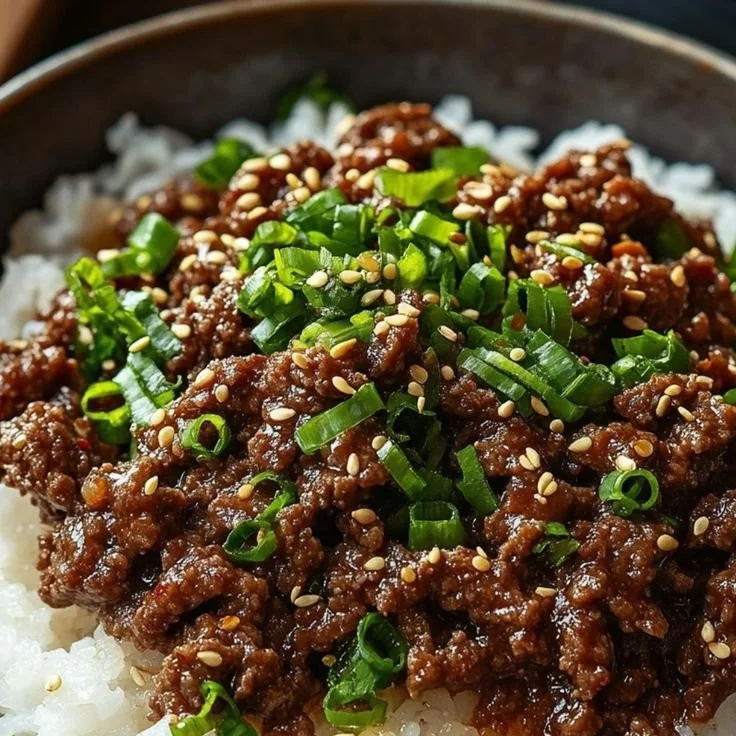
Close your eyes and breathe in: the caramelized sweetness of soy mingling with toasty sesame, a warm cloud of steamed rice releasing gentle steam, and savory browned beef flecked with garlic and ginger that snap on the tongue. This Korean Ground Beef Bowl is an instant comfort — savory, slightly sweet, and deeply satisfying in both flavor and texture. It’s the kind of meal that warms you from the inside out on a rainy evening, keeps weeknight dinner stress-free after a long day, and shows up with confident flavor when friends pop by unexpectedly.
If you love quick bowls that deliver big taste with minimal hands-on time, you might also enjoy this bright, sweet-heat take on ground beef I adapted from other favorites — find a close cousin recipe here: ground beef hot honey bowl inspiration.
At a Glance
- Prep Time: 10 minutes
- Cook Time: 10 minutes
- Total Time: 20 minutes
- Servings: 4
- Difficulty Level: Easy — great for beginner cooks and weeknight meals
Nutrition Highlights
Per serving (recipe divided into 4 servings). Nutrition estimates assume:
- 1 lb (454 g) of 85% lean ground beef, 2 cups cooked white rice, 1/4 cup regular soy sauce, and minimal oil for cooking.
- Values are rounded estimates based on USDA FoodData Central nutrient profiles and standard cooked rice values; USDA FoodData Central and CDC guidance inform daily nutrient context.
Estimated per serving:
- Calories: ~395 kcal
- Protein: ~31 g
- Carbohydrates: ~22 g
- Fat: ~19 g
- Saturated Fat: ~7 g
- Sodium: ~900–1,000 mg
- Fiber: ~1 g
- Sugars: ~1–2 g
Notes:
- These numbers are approximations — leaner beef (90–95% lean) will reduce fat and calories; brown rice will increase fiber and carbs slightly.
- The sodium is chiefly from soy sauce; the CDC recommends limiting sodium to less than 2,300 mg/day for most adults, so this bowl contributes a substantial portion of that limit (CDC). For lower sodium, use reduced-sodium soy sauce or dilute with water (see substitutions below).
- Source references: USDA FoodData Central for raw and cooked food nutrient values; CDC for sodium guidance.
Perfect For…
Why you’ll reach for this bowl again and again:
- Speed and simplicity: From stove to table in about 20 minutes, this recipe is a weekday hero when time is short.
- Crowd-pleasing flavor: Sweet-savory notes are broadly appealing — kids and adults alike tend to love it.
- Comfort food with balance: Protein-forward but easily paired with veg or brown rice for added fiber and nutrients.
- Flexible hosting: Serve as part of a make-your-own-bowl spread for casual dinners or batch it for meal prep.
Preparation Guide
Ingredients
- 1 pound ground beef (about 454 g), 85% lean recommended
- 2 cloves garlic, minced
- 1 teaspoon fresh ginger, minced
- 1/4 cup soy sauce
- 2 cups cooked rice (white or brown)
- 2 green onions, sliced (for garnish)
- Sesame seeds (optional, for garnish)
Optional ingredients and substitutions:
- Reduced-sodium soy sauce or tamari for lower sodium (gluten-free option)
- 1 tablespoon brown sugar or honey for a sweeter glaze
- 1 tablespoon gochujang or sriracha for heat
- 1 teaspoon toasted sesame oil added at the end for deeper aroma
- Swap ground turkey, chicken, or plant-based crumbles for a lighter or vegan option (see Variations)
Step-by-step Instructions
- Prepare rice according to package directions so it’s warm and fluffy when the beef is ready.
- Heat a large skillet over medium heat. Add the ground beef and cook, breaking it up with a spatula, until browned and no longer pink (about 6–8 minutes).
- Drain excess fat from the skillet to avoid a greasy bowl.
- Add minced garlic and ginger to the skillet and cook for about 1 minute, stirring, until fragrant — don’t let them burn.
- Pour in the 1/4 cup soy sauce and stir to combine. Allow the mixture to cook 2–3 more minutes so the flavors meld and the liquid reduces slightly.
- Taste and adjust: add a pinch of sugar if you want more sweetness, a splash of vinegar for brightness, or a spoonful of gochujang for heat.
- Serve the beef over warm cooked rice. Garnish with sliced green onions and sesame seeds if desired.
Practical tips:
- Don’t overmix the meat while browning — letting it sit for short intervals allows better caramelization.
- If the beef seems dry after draining, add a teaspoon of sesame oil or a splash of soy sauce back in to moisten and boost flavor.
- Check the internal doneness: while ground beef should be cooked to 160°F according to food-safety guidelines, visual doneness (no pink) is typically sufficient if you use fresh ground beef cooked thoroughly.
Best Pairings
- Keep it simple: a soft-cooked egg (sunny-side-up) perched on the bowl adds richness and silky yolk sauce.
- Veg-forward: add quick-pickled cucumbers, shredded carrots, or steamed spinach for color and crunch.
- Noodle swap: serve the beef over udon or soba noodles instead of rice for a different texture.
- Drinks: pair with a light lager, jasmine tea, or cold barley tea to cut the richness.
- Side dishes: kimchi, roasted broccoli, or a crisp cabbage slaw are classic companions.
Storage Instructions
- Room temperature: Do not leave cooked beef or rice at room temperature beyond 2 hours (1 hour if >90°F). Bacteria multiply quickly at room temp.
- Refrigeration: Store in an airtight container for 3–4 days.
- Freezer: Freeze in airtight containers or heavy-duty freezer bags for up to 2–3 months for best quality. Thaw overnight in the refrigerator before reheating.
- Reheating: Reheat gently on the stove with a splash of water or broth to restore moisture, or microwave covered for 1–2 minutes until steaming hot.
Chef’s Advice
- Choose the right beef: 85% lean gives a pleasing juiciness and flavor; for lower fat, 90–95% lean works well but add a touch of oil or sesame oil to maintain mouthfeel.
- Layer flavor: Browning the beef well (letting it develop some golden bits) creates deeper umami than just cooking quickly.
- Control salt: If using regular soy sauce, reduce to 3 tablespoons and add a small splash of water to prevent oversalting; taste before serving.
- Texture note: For a more textured, restaurant-style finish, finish with a pinch of toasted sesame seeds and thinly sliced scallions right before serving.
Fun Flavor Ideas
- Vegan/Vegetarian: Replace ground beef with crumbled extra-firm tofu, tempeh, or a plant-based crumbled mince; marinate briefly in soy sauce and cook until browned. Increase garlic and ginger for punch.
- Gluten-Free: Use tamari or coconut aminos in place of soy sauce and ensure any added condiments are certified gluten-free.
- Spicy Gochujang Bowl: Stir in 1–2 tablespoons of gochujang after adding soy sauce, and a teaspoon of sesame oil at the end for a sweet-spicy finish.
- Korean BBQ Twist: Add 1 tablespoon toasted sesame oil, 1 tablespoon brown sugar, and a splash of rice vinegar to the soy sauce for a richer, slightly sweet bulgogi-inspired glaze.
- Veg-Loaded Meal Prep: Fold in sautéed mushrooms, bell peppers, and baby spinach for a one-skillet dinner that boosts volume and nutrition.
All Your Questions Answered
Q: Can I make this ahead for meal prep?
A: Yes — store in individual airtight containers with rice, and refrigerate for up to 4 days or freeze for up to 2 months.
Q: What’s the best low-sodium swap?
A: Use reduced-sodium soy sauce or tamari; you can dilute soy sauce with a little water and boost flavor with garlic, ginger, and a splash of rice vinegar.
Q: Can I use ground turkey or chicken?
A: Absolutely. These leaner meats work well; add a teaspoon of oil while cooking or a splash of soy sauce at the end to maintain juiciness.
Q: How do I prevent soggy rice?
A: Use freshly cooked rice kept warm and covered. If reheating, sprinkle a tablespoon of water and cover to steam it back to fluffy.
Q: Is this dish healthy?
A: It can be balanced — high in protein and adaptable to lower sodium and higher fiber (use brown rice, more vegetables, leaner meat). Refer to USDA and CDC guidance for personalized nutrition recommendations.
Conclusion
This Korean Ground Beef Bowl is a bright, fast, and endlessly adaptable weeknight winner — comforting enough for solo dinners and flexible enough to build into a sharing spread. Try the recipe as written, then experiment with the variations and tips above. If you’d like another take on sweet-and-savory ground-beef bowls, see this flavorful variation at Korean Ground Beef and Rice Bowls | The Recipe Critic, or compare a popular version at Korean Beef Bowl – Damn Delicious. Share your photos, tweaks, and questions — I love hearing how you make the bowl your own.