
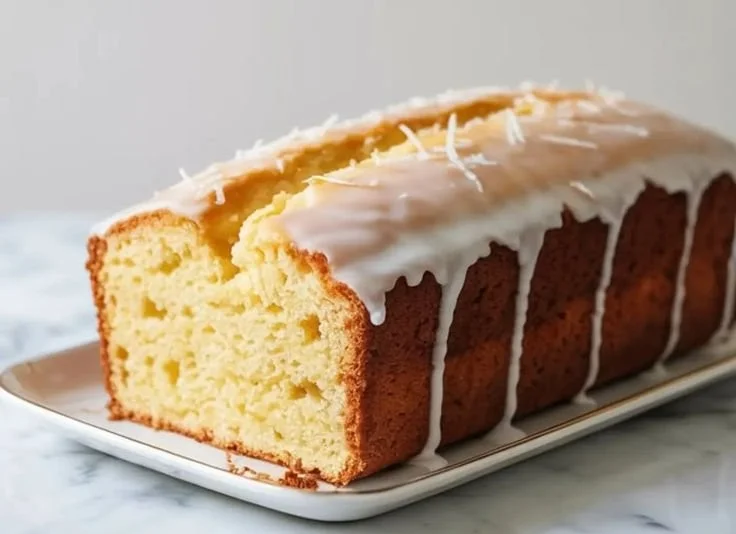
Coconut Pound Cake
There’s something almost nostalgic about the first slice of a warm coconut pound cake—an inviting cloud of sweet, toasty coconut aroma, a crumb that’s dense yet tender, and a buttery flavor that wraps around the tropical note of coconut cream. Imagine morning light through the kitchen window, a fork sinking into a slice that yields slowly, leaving a trail of moist crumbs and a buttery coconut perfume. It’s comfort in dessert form: familiar, soothing, and quietly celebratory.
This coconut pound cake is perfect for cozy weekend breakfasts with coffee, afternoon tea with friends, or as the understated star at potlucks and holiday gatherings. It’s the kind of bake you make when you want to impress without fuss—rich enough for special occasions, approachable enough for a simple family dessert. The recipe balances decadent texture and coconut flavor in a way that invites both nostalgia and new memories.
At a Glance
- Prep Time: 15 minutes
- Cook Time: 60–70 minutes
- Total Time: 1 hour 15–25 minutes (including cooling)
- Servings: 8 slices
- Difficulty Level: Easy–Intermediate (basic baking skills required)
Nutrition Highlights
Estimated nutrition per serving (1 of 8 slices). These values are approximations calculated from standard ingredient nutrition profiles and cross-checked against USDA FoodData Central and general dietary guidance from reputable health sources such as the Mayo Clinic. Actual values will vary with brands, ingredient substitutions, and precise portioning.
- Calories: ~577 kcal
- Protein: ~7.6 g
- Carbohydrates: ~51 g
- Sugars: ~22–30 g (depends on coconut cream and shredded coconut)
- Fat: ~40 g
- Saturated fat: ~27 g (high—see note)
- Cholesterol: ~154 mg
- Sodium: ~200–300 mg (depends on salt and baking powder amounts)
Notes on nutrition:
- This pound cake is rich in calories and saturated fat due to butter and coconut cream; enjoy it as an occasional treat. The Mayo Clinic and similar clinical guidelines recommend limiting saturated fat (generally to less than 10% of daily calories), so portion control or lighter substitutions can help if you’re watching intake.
- If you need precise nutrient totals for medical or strict dietary needs, use ingredient labels and a nutritional calculator (enter product-specific values) or consult a registered dietitian.
Why You’ll Love It
- Irresistible aroma and flavor: The coconut cream delivers a deep, authentic coconut taste while butter gives the cake a classic pound-cake richness. The optional shredded coconut adds texture and toasty bites.
- Comfort and connection: This cake feels like a homemade hug—great for family breakfasts, friendly get-togethers, or bringing to someone who could use a little comfort.
- Simplicity and reliability: With straightforward steps and familiar pantry ingredients, it’s a dependable bake even for home bakers who don’t make cakes every week.
- Adaptable for occasions: Dress it up for holidays with a glaze and toasted coconut, slice it thin for tea, or keep it plain and cozy for breakfasts.
Preparation Guide
Ingredients:
- 1 cup unsalted butter, softened (≈227 g)
- 1 cup granulated sugar (≈200 g)
- 4 large eggs, room temperature
- 1 cup coconut cream (≈240 g) — canned coconut cream preferred for richness
- 2 cups all-purpose flour (≈240 g)
- 1 teaspoon baking powder
- 1/2 teaspoon salt
- 1 teaspoon vanilla extract
- 1/2 cup shredded coconut (≈40 g) — optional, for texture and flavor
Optional ingredients & substitutions:
- Swap half the butter for vegetable oil (or use 3/4 cup butter + 1/4 cup oil) to keep crumb slightly more tender.
- For a lighter cake, reduce granulated sugar to 3/4 cup (effects on structure are minimal if you’re comfortable with slightly less sweetness).
- Use dairy-free butter and a plant-based egg replacer plus full-fat coconut cream to make a vegan version (see variations section).
- If you prefer a milder coconut note, substitute 1/2 cup coconut cream + 1/2 cup whole milk.
Step-by-step instructions:
- Preheat the oven to 350°F (175°C). Grease and flour a 9×5-inch loaf pan, or spray with baking spray and line with parchment for easy removal.
- In a large mixing bowl, cream together the softened butter and granulated sugar until light and fluffy—about 3–5 minutes with a hand mixer or stand mixer on medium speed.
- Add the eggs one at a time, beating well after each addition. Scrape down the sides of the bowl as needed to ensure even mixing.
- Stir in the coconut cream and vanilla extract until combined and smooth.
- In a separate bowl, whisk together the all-purpose flour, baking powder, and salt.
- Gradually add the dry ingredients to the wet mixture, mixing on low speed until just combined. Avoid overmixing; stop as soon as you no longer see streaks of flour.
- Fold in the shredded coconut if using. This adds texture—don’t overwork the batter.
- Pour the batter into the prepared loaf pan and smooth the top with a spatula. Tap the pan lightly on the counter to release large air bubbles.
- Bake for 60–70 minutes, or until the top is golden and a toothpick inserted in the center comes out clean or with a few moist crumbs (not wet batter). If the top browns too quickly, tent with aluminum foil for the final 10–20 minutes.
- Let the cake cool in the pan for 10 minutes, then transfer to a wire rack to cool completely before slicing.
Practical tips:
- Use room-temperature eggs and softened butter for the best emulsion and volume.
- Avoid overmixing after adding flour—overworked gluten yields a tough cake.
- If your oven runs hot, start checking doneness at 55 minutes. A clean toothpick with a few moist crumbs signals readiness.
- For an extra moist interior, brush the warm loaf with a simple syrup (equal parts sugar and water heated until sugar dissolves) flavored with a splash of coconut rum or vanilla.
Best Pairings
- Simple and classic: Serve slices plain or with a thin smear of room-temperature butter for breakfast.
- With beverages: Pairs beautifully with strong coffee, a creamy latte, or a bright black tea (Earl Grey or Assam). Coconut notes also play well with lightly sweetened chai.
- Dessert plate: Add a scoop of vanilla bean ice cream, a drizzle of caramel, and toasted coconut flakes for contrast.
- Fruity accompaniment: Serve with macerated berries (strawberries or raspberries), passionfruit pulp, or sliced mango for a tropical lift.
- Festive styling: Dust with powdered sugar and top with toasted coconut and a few edible flowers for gatherings.
Shelf Life & Storage
- Room temperature: Keep wrapped in plastic wrap or in an airtight container for 2–3 days. Store in a cool, dry place away from direct sunlight.
- Refrigeration: For longer freshness, store in the refrigerator in an airtight container for 5–7 days. Bring to room temperature before serving for best texture.
- Freezer: Wrap tightly in plastic wrap and then foil or place in a freezer-safe bag/container. Freeze for up to 3 months. Thaw overnight in the refrigerator and bring to room temperature before serving.
- Tip: To preserve crust texture, slice before freezing and interleave parchment between slices.
Pro Tips & Tricks
- Best types of coconut: Use full-fat canned coconut cream for the richest flavor; light versions reduce fat but will also reduce flavor and moistness. Unsweetened shredded coconut toasted briefly in a dry skillet adds a delicious nutty aroma and crunch.
- Texture keys: The cake’s hallmark is a fine, dense crumb that’s moist but not gummy—achieve this with careful mixing (do not overbeat after flour addition) and by ensuring accurate oven temperature.
- Doneness cues: A toothpick with a few moist crumbs is better than a completely dry toothpick (which can mean overbaked). The cake will firm as it cools—avoid overbaking.
- Pan choice: A metal loaf pan conducts heat well and helps develop a golden crust. Glass pans can require a slightly longer bake time. If you use a Bundt pan, reduce bake time slightly and test earlier.
- Even baking: If your oven has hot spots, rotate the pan halfway through baking for more even color and doneness.
Creative Twists
- Tropical Almond Coconut Pound Cake: Replace 1/2 cup of the flour with finely ground almond meal for a slightly denser crumb and nutty flavor. Fold in 1/3 cup diced dried pineapple (rehydrated) for bursts of tropical sweetness.
- Coconut-Lime Glazed Cake: Add the zest of 1 lime to the batter and make a glaze from powdered sugar, lime juice, and a tablespoon of coconut cream. Brush glaze over the cooled cake and sprinkle with toasted coconut.
- Vegan & Gluten-Free Option: Use a cup-for-cup gluten-free flour blend, replace butter with vegan butter or coconut oil (3/4 cup), and use a vegan egg replacer or 3/4 cup applesauce plus 1 tablespoon ground flaxseed mixed with 3 tablespoons water as binder; ensure your coconut cream is dairy-free. Adjust baking time and check doneness early.
- Coffee-Coconut Swirl: Mix 1–2 tablespoons instant espresso dissolved in 1 tablespoon hot water into 1/3 cup of the batter and gently swirl into the pan for a subtle mocha contrast.
Recipe Q&A
Q: Can I use coconut milk instead of coconut cream?
A: You can, but coconut cream is much thicker and richer—using coconut milk will make the cake slightly less rich and potentially a bit lighter. If using coconut milk, consider reducing any added milk or increasing fat elsewhere (e.g., a touch more butter) to maintain texture.
Q: My cake sank in the middle—what went wrong?
A: Common causes are underbaking (center not set), opening the oven door too early, or too much leavening. Ensure accurate oven temperature and test with a toothpick before removing; be gentle with the loaf until it cools.
Q: How can I make this less sweet or lower in calories?
A: Reduce sugar to 3/4 cup, substitute half the butter with applesauce or Greek yogurt (adjust total moisture), or slice thinner to lower per-serving calories. Note these changes alter texture slightly.
Q: Can I make this in a Bundt pan or as cupcakes?
A: Yes. For a Bundt pan, slightly reduce baking time and test for doneness earlier (45–60 minutes depending on size). For cupcakes, bake at 350°F for 18–24 minutes; yields vary by pan size.
Q: What should I do with leftover cake?
A: Make French toast with stale slices, serve warm with whipped cream and berries, or freeze slices for quick desserts later.
Conclusion
Whether you’re chasing the comfort of a classic pound cake or craving a tropical twist, this coconut pound cake delivers a buttery, coconut-forward experience that’s equally at home on a holiday table or a quiet Sunday brunch. Try the base recipe as written, then experiment with glazes, zests, or nut flours to make it your own. For additional inspiration and variations on coconut pound cakes, see this detailed take on a Southern-style version at The Best Southern Coconut Pound Cake and a moist, buttercream-forward riff at Moist Coconut Pound Cake – I Scream for Buttercream.
If you make it, please share your photos and notes—I love hearing how a recipe becomes your recipe. Happy baking!
Print
Coconut Pound Cake
- Total Time: 85 minutes
- Yield: 8 slices 1x
- Diet: Vegetarian
Description
A nostalgic coconut pound cake with a dense yet tender crumb, perfect for cozy breakfasts or special occasions.
Ingredients
- 1 cup unsalted butter, softened (≈227 g)
- 1 cup granulated sugar (≈200 g)
- 4 large eggs, room temperature
- 1 cup coconut cream (≈240 g) — canned coconut cream preferred
- 2 cups all-purpose flour (≈240 g)
- 1 teaspoon baking powder
- 1/2 teaspoon salt
- 1 teaspoon vanilla extract
- 1/2 cup shredded coconut (≈40 g) — optional
Instructions
- Preheat the oven to 350°F (175°C). Grease and flour a 9×5-inch loaf pan.
- Cream together the softened butter and granulated sugar until light and fluffy, about 3-5 minutes.
- Add the eggs one at a time, beating well after each addition.
- Stir in the coconut cream and vanilla extract until combined.
- In a separate bowl, whisk together the flour, baking powder, and salt.
- Gradually add the dry ingredients to the wet mixture, mixing on low speed until just combined.
- Fold in the shredded coconut if using.
- Pour the batter into the prepared loaf pan and smooth the top.
- Bake for 60-70 minutes, or until a toothpick inserted in the center comes out clean.
- Let the cake cool in the pan for 10 minutes, then transfer to a wire rack to cool completely.
Notes
This cake is rich in calories and saturated fat due to butter and coconut cream; enjoy it as an occasional treat. For a lighter version, reduce sugar or substitute half the butter with vegetable oil.
- Prep Time: 15 minutes
- Cook Time: 70 minutes
- Category: Dessert
- Method: Baking
- Cuisine: American
Nutrition
- Serving Size: 1 slice
- Calories: 577
- Sugar: 26g
- Sodium: 250mg
- Fat: 40g
- Saturated Fat: 27g
- Unsaturated Fat: 10g
- Trans Fat: 0g
- Carbohydrates: 51g
- Fiber: 1g
- Protein: 7.6g
- Cholesterol: 154mg
Printable Recipe Card
Want just the essential recipe details without scrolling through the article? Get our printable recipe card with just the ingredients and instructions.


