Healthy Sautéed Vegetables – Quick, Flavorful & Nutritional Side
Introduction
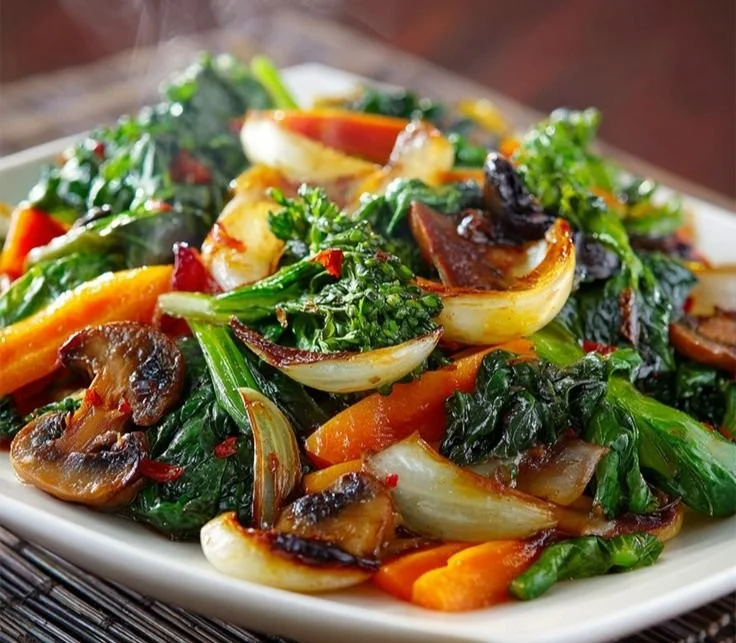
Imagine a pan sizzling faintly as the aroma of garlic and caramelized onion rises, bright bell pepper colors softening into glossy ribbons, and broccoli florets steaming just enough to hold a satisfying snap. Each bite delivers a warm, earthy melody—sweet carrot notes, a hint of umami from mushrooms, and a lively squeeze of lemon that wakes up the palate. This sautéed vegetable medley is comfort and vitality on a plate: homey, bright, and deeply satisfying.
Whether you need a speedy weeknight side, a colorful addition to a cozy brunch, or a vegetable-forward dish to balance heavier mains at a gathering, this recipe answers. It’s quick enough for last-minute meals, flexible for seasonal produce swaps, and nourishing enough to make you feel good about what you’re eating. Let’s get cooking.
Dish Snapshot
- Prep Time: 10 minutes
- Cook Time: 9–10 minutes
- Total Time: 20 minutes
- Servings: 4 (as a side)
- Difficulty Level: Easy — great for beginners and busy cooks
Nutrition Highlights
Estimated nutrition per serving (recipe divided into 4 servings; values are approximate and assume no added salt or sauces):
- Calories: ~110–120 kcal
- Protein: ~2.5–3.0 g
- Carbohydrates: ~10–11 g
- Dietary Fiber: ~3–3.5 g
- Total Fat: ~6.5–7.5 g (primarily unsaturated from olive oil)
- Sodium: varies (depends on added salt or soy/balsamic)
These estimates are calculated from standard serving sizes and ingredient nutrition entries (USDA FoodData Central). Vegetables in this dish provide vitamins and minerals—bell peppers and broccoli offer vitamin C, carrots provide beta-carotene (vitamin A precursor), and the overall fiber contributes to digestive health (Mayo Clinic guidance on fruit and vegetable benefits). If you add soy sauce or other condiments, watch sodium content.
Why You’ll Love It
- Speed & Simplicity: Ready in about 20 minutes from start to finish—perfect for busy weeknights.
- Flavor & Texture Contrast: A mix of crisp-tender broccoli and snap peas with softer zucchini and mushrooms creates pleasing mouthfeel; a splash of acid (lemon or balsamic) brightens the whole dish.
- Crowd-Friendly & Flexible: Works for family dinners, potlucks, or as part of a holiday table. Swap vegetables based on seasonality or what’s in your fridge.
- Nutritious: Low-calorie, vegetable-rich side packed with vitamins, fiber, and heart-healthy unsaturated fats from olive oil.
Cooking Directions
Ingredients
- 2 tbsp olive oil (or avocado oil/butter)
- 2 cloves garlic, minced
- 1 small onion, thinly sliced
- 1 bell pepper (any color), sliced
- 1 zucchini, sliced into half-moons
- 1 cup broccoli florets
- 1 medium carrot, julienned or sliced thin
- ½ cup snap peas
- ½ cup mushrooms, sliced
- Salt and freshly ground black pepper, to taste
- 1 tsp lemon juice (optional)
- 1 tsp balsamic vinegar or soy sauce (optional)
- Optional toppings: toasted nuts (almonds, pine nuts), seeds (pumpkin, sesame), fresh herbs (parsley, basil), grated Parmesan
Substitutions and optional ingredients
- Use avocado oil or light butter instead of olive oil.
- Swap asparagus, green beans, or cauliflower for any of the listed vegetables.
- For a low-fat option, reduce oil to 1 tbsp and use a nonstick pan; add a splash of vegetable stock if needed to prevent sticking.
- For Asian flavor, use sesame oil (finish) and low-sodium soy sauce or tamari.
Preparation
- Prep Vegetables: Wash all produce. Peel if needed. Slice vegetables into uniform pieces so they cook evenly—carrots julienned, zucchini into half-moons, bell pepper thinly sliced, broccoli in small florets.
- Heat Pan: Place a large skillet or sauté pan over medium-high heat. Add 2 tbsp oil and let it warm until shimmering but not smoking.
- Cook Aromatics: Add minced garlic and sliced onions. Sauté 1–2 minutes until fragrant and the onion begins to turn translucent — don’t let the garlic burn.
- Add Harder Vegetables: Add carrots and broccoli first. Cook 3–4 minutes, stirring frequently, until edges begin to brown and vegetables start to soften.
- Add Softer Vegetables: Add bell pepper, zucchini, mushrooms, and snap peas. Sauté another 4–5 minutes, stirring often, until vegetables are crisp-tender. Avoid overcooking—aim for bright color and some bite.
- Season: Sprinkle with salt and pepper to taste. Add optional flavorings: 1 tsp lemon juice and/or 1 tsp balsamic vinegar or soy sauce. Toss to coat evenly.
- Finish & Serve: Remove from heat, toss with fresh herbs or a sprinkle of toasted nuts/seeds or grated Parmesan. Serve immediately for best texture.
Practical tips
- Don’t overcrowd the pan; if needed, cook in batches so vegetables sear instead of steam.
- Cut pieces uniformly for consistent cooking.
- Taste as you go—season after vegetables are mostly done so flavors can concentrate.
- If you like a little char, turn heat up briefly at the end, but watch closely to avoid burning.
Best Pairings
- Protein Pairings: Serve alongside grilled chicken, pan-seared salmon, or baked tofu for a balanced meal.
- Grain Bases: Spoon over quinoa, brown rice, or farro for a hearty vegetarian bowl.
- Breakfast/Brunch: Mix into scrambled eggs or serve next to omelets and toast.
- Simple Sides: Add a dollop of Greek yogurt or a sprinkle of feta for creaminess; pair with roasted potatoes or crusty bread for a more substantial plate.
- Beverage: Light white wine, iced tea, or a citrusy sparkling water complement the bright flavors.
How to Store
- Room temperature: Not recommended—per USDA food safety guidelines, cooked vegetables should not be left at room temperature for more than 2 hours.
- Refrigeration: Transfer cooled vegetables to an airtight container and refrigerate for up to 3–4 days.
- Freezer: You can freeze leftovers in a freezer-safe container for up to 2–3 months, though texture softening is likely when reheated. Blanching before freezing can help preserve color and texture, but note that sautéed texture will still change.
- Reheating: Reheat gently in a skillet over medium heat with a splash of water or broth to refresh texture; avoid microwaving too long, which can make them soggy.
Chef’s Advice
- High heat + dry pan = best sear. Make sure your pan is hot and the oil is shimmering before adding vegetables.
- Add oil as needed between batches—cold oil will slow cooking and create steam.
- Finish with an acid: lemon juice or a dash of balsamic brightens flavors and balances richness.
- For deeper flavor, let onions caramelize a few extra minutes before adding other vegetables.
- If using soy sauce, choose low-sodium and add at the end to avoid over-salting.
Creative Twists
- Mediterranean Twist: Add a handful of pitted olives, sun-dried tomatoes, and finish with fresh basil and crumbled feta. Serve over couscous.
- Asian-Inspired: Swap olive oil for neutral oil and finish with a teaspoon each of toasted sesame oil and low-sodium soy sauce, plus a sprinkle of sesame seeds and sliced scallions.
- Protein Boost: Stir in cooked chickpeas or cubed firm tofu at the last minute to make it a fuller main dish. For meat eaters, toss in sliced cooked sausage or shredded rotisserie chicken.
- Spicy Kick: Sprinkle red pepper flakes during cooking or finish with a drizzle of sriracha for heat.
- Winter Comfort: Add diced sweet potato or butternut squash with the harder vegetables and roast briefly in the oven before sautéing for a heartier texture.
Frequently Asked Questions
Q: Can I make this vegan/gluten-free?
A: Yes. The base recipe is naturally vegan and gluten-free. Use tamari instead of soy sauce to ensure gluten-free seasoning.
Q: How do I keep the vegetables crisp and not mushy?
A: Cook over medium-high heat, avoid overcrowding the pan, and add softer vegetables later so they don’t overcook. Remove from heat when vegetables are still slightly firm.
Q: Can I prepare vegetables ahead of time?
A: You can chop and store vegetables in airtight containers in the fridge for up to 2 days. Cooked vegetables are best fresh but store refrigerated for 3–4 days.
Q: What if my vegetables release a lot of water?
A: High-moisture vegetables (zucchini, mushrooms) will release water. Cook in a hot pan and in batches to encourage evaporation. You can also pat them dry before cooking.
Q: Is this a good side for meal prep?
A: Yes—great for meal prep when combined with grains and protein. For best texture, store components separately and reheat in a skillet.
Conclusion
This healthy sautéed vegetable recipe is a fast, flexible, and flavorful way to add more vegetables to your meals—bright, satisfying, and endlessly adaptable. If you enjoyed this method, you might like another take on seasoned sautéed veggies at Sauteed Vegetables, Easy Side Dish Recipe, or find a budget-friendly simple version with useful tips at Budget Bytes’ Simple Sautéed Vegetables – Easy Side Dish. Share your variations or photos in the comments—I’d love to see how you make this dish your own.
Print
Healthy Sautéed Vegetables
- Total Time: 20
- Yield: 4 servings 1x
- Diet: Vegan
Description
A quick and flavorful medley of sautéed vegetables, perfect for a nutritious side dish or a light meal.
Ingredients
- 2 tbsp olive oil (or avocado oil/butter)
- 2 cloves garlic, minced
- 1 small onion, thinly sliced
- 1 bell pepper (any color), sliced
- 1 zucchini, sliced into half-moons
- 1 cup broccoli florets
- 1 medium carrot, julienned or sliced thin
- ½ cup snap peas
- ½ cup mushrooms, sliced
- Salt and freshly ground black pepper, to taste
- 1 tsp lemon juice (optional)
- 1 tsp balsamic vinegar or soy sauce (optional)
- Optional toppings: toasted nuts (almonds, pine nuts), seeds (pumpkin, sesame), fresh herbs (parsley, basil), grated Parmesan
Instructions
- Wash all produce. Peel if needed. Slice vegetables into uniform pieces.
- Heat a large skillet over medium-high heat. Add oil and warm until shimmering.
- Add garlic and onions. Sauté for 1-2 minutes until fragrant and onions are translucent.
- Add carrots and broccoli. Cook for 3-4 minutes, stirring frequently.
- Add bell pepper, zucchini, mushrooms, and snap peas. Sauté for another 4-5 minutes until vegetables are crisp-tender.
- Season with salt and pepper. Add optional lemon juice and/or balsamic vinegar or soy sauce. Toss to coat.
- Remove from heat, top with fresh herbs or nuts/seeds. Serve immediately.
Notes
Don’t overcrowd the pan and taste as you go for the best flavor. For deeper flavor, let onions caramelize a few extra minutes before adding other vegetables.
- Prep Time: 10
- Cook Time: 10
- Category: Side Dish
- Method: Sautéing
- Cuisine: International
Nutrition
- Serving Size: 1 serving
- Calories: 120
- Sugar: 5g
- Sodium: 200mg
- Fat: 7g
- Saturated Fat: 1g
- Unsaturated Fat: 6g
- Trans Fat: 0g
- Carbohydrates: 11g
- Fiber: 3g
- Protein: 3g
- Cholesterol: 0mg
Printable Recipe Card
Want just the essential recipe details without scrolling through the article? Get our printable recipe card with just the ingredients and instructions.