
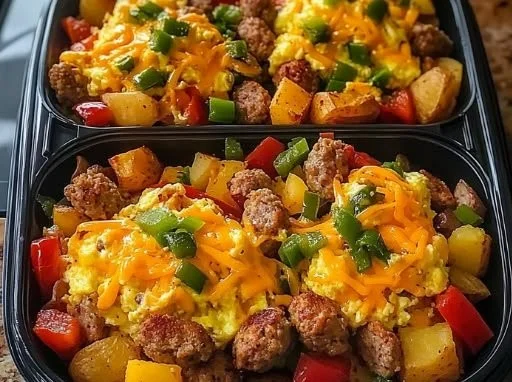
High Protein Freezer Friendly Breakfast Bowls
There’s something deeply comforting about the smell of savory eggs and warm, caramelized vegetables in the morning—the steamed tang of bell peppers, the nutty whisper of sautéed onions, and the faint, toasty scent of olive oil coming together with browned lean meat. These High Protein Freezer Friendly Breakfast Bowls deliver that aroma and a satisfying bite: silky scrambled eggs folded with juicy lean turkey (or chicken), tender vegetables, and bright seasonings. Each spoonful balances fluffy eggs and hearty protein with the gentle snap of vegetables, making every morning feel intentional and energized.
This recipe is perfect for busy weekdays, cozy weekend brunches when you want something effortless, or for batch-cooking before a big week. Make a big batch on Sunday, freeze single-serve portions, and reclaim time and calm on hectic mornings. If you enjoy meal-prep bowls, you might also like this cheeseburger-bowl meal-prep inspiration that uses a similar make-ahead logic.
Dish Snapshot
- Prep Time: 15 minutes
- Cook Time: 15 minutes
- Total Time: 30 minutes (plus cooling/freezing time)
- Servings: 6 bowls
- Difficulty Level: Easy — beginner-friendly meal prep
Nutrition Highlights
Estimated nutrition per serving (one bowl). These are approximate values calculated from standard ingredient databases (USDA FoodData Central) and should be used as a guideline. For personalized dietary advice, consult a registered dietitian or trusted resources such as the Mayo Clinic or CDC.
- Calories: ~306 kcal
- Protein: ~37 g
- Carbohydrates: ~4–5 g
- Fat: ~13 g
- Fiber: ~1–2 g
- Sodium: variable (depends on added salt and processed ingredients)
Why You’ll Love It
- High-protein: Each bowl delivers a substantial protein hit to keep you full and focused—great for strength training or busy mornings when sustained energy matters.
- Make-ahead convenience: Cook once, eat all week. These bowls free up time, reduce morning stress, and cut down on food waste.
- Comfort meets nutrition: The warm, homey textures of eggs and sautéed veggies pair with lean protein for a satisfying, balanced meal.
- Flexible: Easily adapted for vegetarian, vegan, or lower-fat preferences without losing the make-ahead benefits.
- Mood-lifting ritual: A simple morning routine—reheat, plate, sip coffee—can feel grounding and boost daily momentum.
Step-by-Step Instructions
Ingredients (yields 6 servings)
- 12 large eggs
- 1 lb (454 g) cooked lean protein (ground turkey, diced cooked chicken breast, tofu, or cooked beans)
- 2 cups mixed vegetables (fresh or frozen; e.g., spinach, bell peppers, onion; about 300 g)
- 1 tablespoon olive oil (for sautéing)
- 1 teaspoon garlic powder
- 1/2 teaspoon smoked paprika
- 1/2 teaspoon kosher salt (adjust to taste)
- 1/4 teaspoon black pepper
- Optional: 1/2 cup shredded cheddar or pepper jack (for topping)
- Optional: 1/4 cup chopped fresh herbs (parsley, chives) and salsa or hot sauce for serving
Optional ingredients and substitutions
- Vegetarian: Replace meat with extra-firm tofu (pressed and crumbled) or 1 can (15 oz) drained black beans or chickpeas.
- Dairy-free: Omit cheese or use plant-based shredded cheese.
- Lower fat: Use egg whites (about 2/3 cup egg whites per whole egg) and leaner chicken breast.
- Extra veggies: Add mushrooms, zucchini, or shredded carrots — adjust seasoning and cook time as needed.
Directions
- In a large bowl, crack and whisk together 12 eggs, garlic powder, smoked paprika, salt, and black pepper until just blended. Avoid overwhisking—the eggs should be slightly streaky for tender curds.
- Heat a large skillet over medium heat and add 1 tablespoon olive oil. When shimmering, add the lean protein (if using raw ground turkey, brown and cook through first; if using pre-cooked chicken, just warm it).
- Add mixed vegetables to the skillet and sauté 4–6 minutes until softened and any excess moisture has evaporated. If using spinach, wilt it down for 1–2 minutes.
- Pour the egg mixture evenly over the protein and vegetables. Reduce heat to medium-low and stir gently, pushing cooked edges to the center, until eggs are set but still moist—about 4–6 minutes. Avoid cooking to dryness.
- Remove from heat and let the skillet mixture cool for 10–15 minutes. Stir in optional chopped herbs or cheese now if desired (cheese will melt as it cools).
- Portion the cooled mixture into six freezer-safe containers (roughly 1 to 1⅓ cups per container). Seal tightly, label with date, and freeze for up to 3 months.
- To reheat: Thaw overnight in the refrigerator if possible. Microwave on high for 60–90 seconds, stir, then heat in 30-second intervals until warm throughout. Alternatively, reheat gently in a skillet over medium-low, adding a splash of water to revive moisture.
Practical tips
- Avoid overcooking eggs during the initial cook—remove them while still slightly glossy; residual heat will finish them.
- Let the mixture cool before freezing to prevent condensation and ice crystals.
- If using raw ground meat, make sure meat reaches a safe internal temperature: 165°F (74°C) for poultry.
- For even portioning, use a kitchen scale or standard measuring cup.
Serve It Up
- Classic: Warm bowl topped with a spoonful of salsa, a sprinkle of fresh herbs, and an extra crack of black pepper.
- Creamy: Add a dollop of Greek yogurt or sour cream and a squeeze of lime for brightness.
- On the side: Serve with buttered toast, an English muffin, or whole-grain crackers for extra carbs.
- Coffee/Tea pairing: A robust black coffee or a milder latte pairs beautifully with the savory, protein-forward flavors.
- Snack mode: Cut cooled cooked mixture into cubes and pan-sear as mini fritters for grab-and-go bites—great for parties or kids’ lunchboxes.
- For more plating and pairing inspiration, this cheeseburger bowl reference offers ideas on balancing flavors and textures in meal-prep bowls.
Keeping it Fresh
- Room temperature: Do not leave cooked egg bowls at room temperature for more than 2 hours.
- Refrigerator: Store in airtight containers for up to 4 days. Thaw from frozen in the fridge before reheating if you plan to eat within this timeframe.
- Freezer: Freeze for up to 3 months in freezer-safe, airtight containers or heavy-duty freezer bags. For best quality, use within 8–12 weeks.
- Safe reheating: Reheat to steaming hot throughout. If reheating from frozen in the microwave, cover loosely and stir halfway to ensure even heating.
Pro Tips & Tricks
- Texture balance: Slightly undercook the eggs during the initial sauté so reheating doesn’t result in rubbery eggs.
- Best proteins: Diced cooked chicken breast or lean ground turkey offers the best texture for freezing and reheating; tofu or beans work well for vegetarian bowls.
- Spice layering: Season both the protein while cooking and the eggs when whisking—this builds depth of flavor.
- Doneness cues: Eggs are done when they form soft curds and no longer look runny; meat should register safe internal temps if raw.
- Brighten at service: Fresh herbs, citrus zest, or a splash of hot sauce after reheating brings brightness and contrast to the richer base.
Switch It Up!
- Mexican-style bowl: Add cumin, chopped cilantro, diced tomatoes, black beans, and a sprinkle of cheddar. Serve with avocado and lime.
- Mediterranean vegetarian: Replace meat with crumbled, pan-fried tofu and add chopped sun-dried tomatoes, spinach, olives, and a pinch of oregano.
- Southwest spicy turkey: Mix in diced poblano peppers, chili powder, corn kernels, and pepper jack cheese for a bolder heat profile.
- Low-carb / Keto: Keep the eggs and protein ratio high, omit starchy additions, and add avocado or a small side of sautéed mushrooms.
Recipe Q&A
Q: Can I use egg whites instead of whole eggs?
A: Yes—use about 2/3 cup egg whites for each whole egg replaced. Expect slightly less fat and a lighter texture.
Q: Will the texture suffer after freezing?
A: If you avoid overcooking initially and cool completely before freezing, texture stays very good. Overcooked eggs can become rubbery after reheating.
Q: How do I reduce sodium?
A: Use low-sodium or no-salt-added protein options, skip added salt, and flavor with herbs, citrus, and spices instead.
Q: Can I batch-cook for more than 3 months?
A: For quality and flavor, use within 3 months. Frozen items are safe longer but may degrade in taste and texture.
Q: Are these bowls suitable for meal prep for athletes?
A: Yes—the high protein per serving supports muscle repair and recovery; consult sports nutrition guidelines for personalized portions.
Conclusion
These High Protein Freezer Friendly Breakfast Bowls turn rushed mornings into calm, nutritious starts—with savory aroma, satisfying texture, and strong protein to carry you through a busy day. Make a batch, freeze individually, and rediscover the joy of a hearty breakfast without the fuss. For more make-ahead bowl inspiration, try this High Protein Egg & Hashbrown Breakfast Bowls (Easy Meal Prep) or explore a freezer-friendly approach in this Breakfast Bowl Recipe {Freezer Meal} – Happy Money Saver. If you make these bowls, I’d love to see your photos and swaps—share them in the comments or on social to join the meal-prep conversation.
Printable Recipe Card
Want just the essential recipe details without scrolling through the article? Get our printable recipe card with just the ingredients and instructions.


