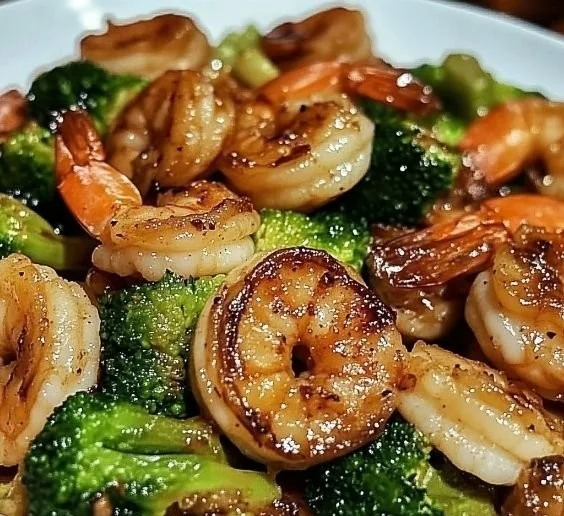
High-Protein Honey Garlic Shrimp
There’s a moment when the skillet first hits the heat and a whisper of garlic meets the warmth of honey — that sticky, sweet aroma rises and you know dinner will be both comforting and exciting. These High-Protein Honey Garlic Shrimp deliver bright, caramelized notes, tender snap of perfectly cooked shrimp, and a glossy sauce that clings to each bite. The contrast of silky sauce and slightly seared edges makes each forkful addictive: sweet, savory, with that playful garlic bite.
This recipe is perfect for weeknight dinners when you want something quick that still feels a little celebratory, and it’s wonderful for casual gatherings where you want a high-protein option everyone will reach for. Serve it after a busy day for a nourishing, fast meal, or double the batch for a carefree party platter. If you’d like an alternate take or more variations, see this alternate high-protein honey garlic shrimp variation for inspiration.
Dish Snapshot
- Prep Time: 10 minutes
- Cook Time: 6–8 minutes
- Total Time: 16–18 minutes
- Servings: 4 (about 4 oz shrimp per serving)
- Difficulty Level: Easy — great for beginners and busy cooks
Nutrition Highlights
Estimated nutrition per serving (1 of 4 servings). Values are approximate and calculated using USDA FoodData Central values for shrimp, honey, and olive oil; daily sodium guidance referenced from CDC recommendations.
- Calories: ~212 kcal
- Protein: ~27 g
- Carbohydrates: ~18 g
- Sugars: ~17 g (mostly from honey)
- Fiber: 0 g
- Fat: ~3.7 g
- Saturated Fat: ~0.6 g
- Sodium: ~500–700 mg (varies by soy sauce brand)
Notes on the numbers:
- Shrimp is an excellent, lean protein source — about 24–27 g protein per 100 g raw shrimp (USDA FoodData Central).
- Honey contributes most of the carbohydrates and sugars.
- Olive oil supplies the healthy fats and adds mouthfeel with minimal added saturated fat.
- Sodium will vary widely depending on the soy sauce you use; for lower sodium, choose a low-sodium soy sauce (CDC recommends limiting daily sodium to less than 2,300 mg for most adults).
Perfect For…
- Quick weeknight dinners when time is short but you still want something special.
- High-protein meal prep (pair with rice, quinoa, or roasted veggies).
- Casual gatherings — the glossy, bite-sized shrimp are perfect for sharing.
- A lighter, fast option during warm months or anytime you want bold flavor without heavy cooking.
Preparation Guide
Ingredients
- 1 pound (about 450 g) shrimp, peeled and deveined (use medium-large)
- 1/4 cup honey (about 85 g)
- 2 tablespoons soy sauce (use low-sodium if preferred)
- 3 cloves garlic, minced (about 1 tablespoon)
- 1 tablespoon olive oil
- Salt and freshly ground black pepper, to taste
- Steamed rice or vegetables for serving
Optional ingredients and substitutions
- 1 teaspoon sesame oil (finish for extra nutty flavor)
- 1/2 teaspoon red pepper flakes or 1 small fresh chili (for heat)
- 1 tablespoon rice vinegar or a squeeze of lime (to brighten the sauce)
- Coconut aminos instead of soy sauce for a gluten-free, lower-sodium option
- Use maple syrup or agave in place of honey (texture and flavor will change slightly)
Step-by-step Instructions
- In a small bowl, whisk together the honey, soy sauce, and minced garlic until smooth. Set aside.
- Pat the shrimp dry with paper towels and season lightly with salt and pepper. Dry shrimp sear better, so don’t skip this step.
- Heat the olive oil in a large skillet over medium heat until shimmering. Add shrimp in a single layer, making sure not to crowd the pan.
- Cook shrimp 2–3 minutes on the first side, until the bottoms turn pink and start to brown. Flip and cook another 2–3 minutes until shrimp are opaque and curled into a loose “C” shape. (Avoid tightly curled “O” shapes — that’s a sign of overcooking.)
- Reduce heat to low, pour the honey-garlic mixture over the shrimp, and gently toss to coat. Cook for an additional ~1–2 minutes, stirring constantly, until the sauce bubbles and slightly thickens to a glaze that coats the shrimp. If using sesame oil or rice vinegar, stir them in just before removing from heat.
- Serve immediately over steamed rice, quinoa, or a bed of sautéed greens, and finish with a sprinkle of sliced scallions or sesame seeds if desired.
Practical tips
- Don’t overcook the shrimp — they cook very fast. Watch for opaque flesh and a gentle curl.
- Dry shrimp thoroughly before searing to encourage browning.
- If your sauce thickens too quickly or crystallizes (honey can do this), add a splash of water or broth to loosen it.
- For a thicker glaze, remove the shrimp, simmer the sauce a little longer, then return shrimp to coat.
Serve It Up
- Classic Bowl: Spoon the shrimp and glaze over steamed jasmine rice, brown rice, or cauliflower rice. Add steamed broccoli and shredded carrots for color and fiber.
- Lettuce Wraps: Serve shrimp in crisp butter lettuce leaves with shredded cucumber, chopped herbs, and a squeeze of lime.
- Noodle Toss: Toss with soba or rice noodles and a splash of sesame oil for an easy weeknight noodle bowl.
- Appetizer Skewers: Thread shrimp on skewers and serve as a finger food with extra glaze on the side.
- Light Snack: Eat chilled or room-temperature shrimp with cucumber rounds and a dab of Greek yogurt mixed with lemon for a protein-packed snack.
Keeping it Fresh
- Room temperature: Do not leave cooked shrimp at room temperature for more than 2 hours (1 hour if above 90°F/32°C), per food safety guidelines.
- Refrigeration: Store cooked shrimp in an airtight container in the refrigerator for up to 3 days. Reheat gently in a skillet over low heat or enjoy cold in salads.
- Freezer: You can freeze cooked shrimp in a sealed, freezer-safe container for up to 2 months. Thaw overnight in the refrigerator before reheating. Note: texture may soften slightly after freezing.
Insider Secrets
- Best shrimp to buy: For the best texture, choose medium-large shrimp (31–40 count per pound) or jumbo if you prefer a meatier bite. Wild-caught and sustainably farmed options are both fine — check freshness by smell (should be briny, not fishy).
- Sauce texture trick: To get a glossy, clingy glaze, finish sauce with a tiny pat of cold butter off the heat and swirl it in — emulsifies the sauce and adds sheen.
- Even cooking: Let the skillet and oil get hot before adding shrimp so they sear quickly and don’t release too much liquid.
- Doneness cue: Opaque flesh and a loose “C” curl indicate perfect doneness; a tight “O” means overcooked.
Creative Twists
- Spicy Citrus: Add 1 tablespoon sriracha or gochujang to the honey-garlic mix and finish with fresh orange juice and zest for a sweet-spicy-citrus kick.
- Peanut-Honey Twist: Stir 1–2 tablespoons smooth peanut butter into the sauce for a richer, nuttier glaze; garnish with chopped peanuts and cilantro.
- Vegan Swap: Replace shrimp with large king oyster mushroom slices or tempeh, increase the honey-to-miso ratio (or use maple syrup), and pan-sear until caramelized for a plant-based version.
- Mediterranean Style: Use honey, garlic, and a splash of lemon with a sprinkle of smoked paprika and serve over herbed couscous for a Mediterranean lift.
All Your Questions Answered
Q: Can I use frozen shrimp?
A: Yes — thaw overnight in the refrigerator or under cold running water. Pat completely dry before cooking to ensure proper sear.
Q: How can I make this lower in sugar?
A: Reduce honey to 2 tablespoons, add 1 tablespoon rice vinegar or lime juice to keep balance, and use a low-sugar sweetener like a teaspoon of stevia if desired.
Q: What if my sauce is too watery?
A: Simmer it a little longer over medium-low heat to reduce and concentrate; or thicken with a cornstarch slurry (1 tsp cornstarch + 1 tbsp cold water), stirred in at the end.
Q: Can I make this ahead?
A: You can prepare the sauce ahead and store in the fridge for up to 3 days. Cook shrimp just before serving to retain best texture.
Q: Is this recipe gluten-free?
A: Use tamari or coconut aminos instead of regular soy sauce to make it gluten-free.
Conclusion
I hope this High-Protein Honey Garlic Shrimp inspires you to get into the kitchen — it’s fast, nourishing, and endlessly adaptable. If you want a slightly different approach or more step-by-step photos, check this 10-Minute Honey Garlic Shrimp – Vikalinka for ideas, and for another popular home-style version see Honey-Garlic Shrimp – Allrecipes. Try it tonight, share a photo, and let me know which twist you loved most — happy cooking!
Printable Recipe Card
Want just the essential recipe details without scrolling through the article? Get our printable recipe card with just the ingredients and instructions.