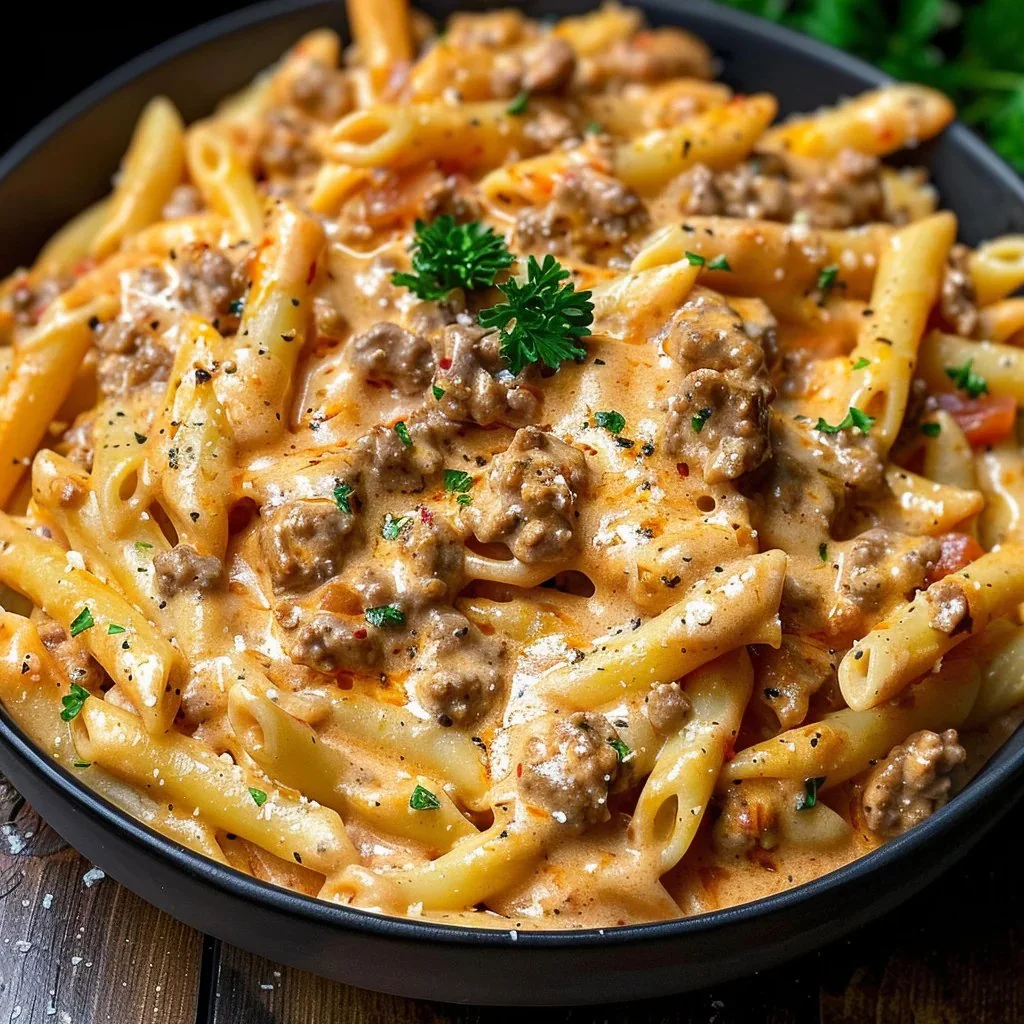
One Pot Healthy Broccoli Mac and Cheese
Introduction
Imagine a pot on the stove filling the kitchen with the warm, nostalgic aroma of melting cheddar and toasted pasta — bright green florets peeking through like little bursts of spring. The first spoonful is a comforting symphony: a silky, tangy cheese coating pillowy pasta, the broccoli offering a tender snap and a fresh, slightly bitter counterpoint. The texture is creamy, not cloying; the flavor is familiar but elevated by the sharpness of extra-sharp cheddar and the subtle tang of Greek yogurt.
This one-pot broccoli mac and cheese is the kind of recipe that folds into life easily: a weeknight lifesaver when time is short, a cozy bowl to soothe you on rainy evenings, and a crowd-pleaser at casual gatherings. If you love veggie-forward, simple meals, you might also enjoy my riff on one-pot veggie mac and cheese which shares the same fast, comforting spirit.
Dish Snapshot
- Prep Time: 5 minutes
- Cook Time: 12–15 minutes
- Total Time: 20 minutes (including assembly)
- Servings: 4 generous bowls
- Difficulty Level: Easy — perfect for cooks of any skill level
Nutrition Highlights
Below is an estimated nutritional breakdown per serving (recipe yields 4 servings). These estimates were calculated using typical values from the USDA FoodData Central and reflect whole milk, 1 tbsp butter, and standard extra-sharp cheddar. Values will vary with brands and substitutions.
Per serving (approximate):
- Calories: 570–580 kcal
- Protein: 28–30 g
- Carbohydrates: 52–56 g
- Dietary fiber: ~3.5–4 g
- Total fat: 25–28 g
- Saturated fat: ~15–17 g
- Sodium: ~450–500 mg (depends heavily on cheese and broth)
- Calcium: notable source (from milk and cheese)
Notes on the numbers:
- These are estimates based on USDA nutrient profiles and typical product data. If you need exact values for medical or dieting reasons, run the exact brands and quantities through a nutrition calculator or consult a registered dietitian. Trusted sources for general guidance include the USDA and the Mayo Clinic.
Why You’ll Love It
- Comfort with a boost: It gives the childhood warmth of mac and cheese but with a veggie upgrade that makes it feel lighter and more grown-up.
- Speed and simplicity: Everything cooks in one pot — minimal cleanup and fast plating, ideal for busy evenings.
- Balanced plate: Broccoli adds fiber, vitamins C and K, and color, while Greek yogurt cuts richness with a pleasant tang and adds protein.
- Crowd-pleasing: Familiar flavors make this a safe bet for family dinners or potlucks, yet it’s interesting enough to delight adults.
How to Make One Pot Healthy Broccoli Mac and Cheese
Ingredients
- 2 cups (480 ml) whole milk
- 1 + 1/2 cups (360 ml) water or low-sodium broth (broth adds more flavor)
- 8 oz (about 227 g) dry pasta (small shapes like elbows, shells, or cavatappi work well)
- 8–10 oz (225–285 g) broccoli florets, finely chopped (stems peeled and diced if using)
- 2 cups (about 227 g) shredded extra-sharp cheddar cheese
- 1/4 cup (about 60 g) plain Greek-style yogurt
- 1 tbsp butter or ghee (optional, for extra silkiness)
Optional ingredients and substitutions:
- Use low-fat milk to reduce calories (sauce will be slightly less rich).
- Substitute half the cheddar with Gruyère or fontina for a nuttier flavor.
- Make it dairy-free: use unsweetened almond or oat milk + vegan cheddar and omit yogurt (see variations).
- Gluten-free: use 8 oz gluten-free pasta and adjust cooking time.
Step-by-step instructions
- In a large, heavy-bottomed pot, combine the whole milk and water or broth and bring to a gentle boil over medium-high heat. Watch carefully to prevent boiling over.
- Stir in the pasta, reduce heat to a simmer, and cook uncovered, stirring occasionally, for about 8 minutes. Keep the heat low so the milk simmers gently — too high and it can scorch.
- After 8 minutes, stir in the chopped broccoli and continue simmering for 2–3 minutes, or until the pasta is al dente and broccoli is tender-crisp. (If you prefer softer broccoli, add a minute or two.)
- Remove the pot from heat. Immediately stir in the shredded cheddar, Greek yogurt, and butter/ghee (if using) until the cheese is fully melted and the sauce is smooth. Let sit 1 minute if needed to allow the residual heat to melt the cheese.
- Taste and adjust seasoning — a pinch of salt or freshly ground black pepper may be all you need. Serve hot.
Practical tips
- Stir gently but steadily while the cheese melts — overmixing can make the sauce gluey.
- If the sauce looks too thick, add a splash of milk or broth to loosen it. If too thin, return to low heat for 30–60 seconds while stirring to reduce slightly.
- Test pasta a minute or two before the package’s suggested time — one-pot cooking with milk can cook pasta a touch faster or slower depending on heat.
Best Pairings
- Simple sides: A crisp green salad with lemon vinaigrette or sautéed spinach brightens the plate.
- Protein pairings: Grilled chicken, baked tofu, or a pan-seared salmon fillet complement the creamy pasta. For a playful pairing, try the spicy-sweet contrast of a hot honey chicken — my version is an excellent match and can be found at hot honey chicken mac and cheese.
- Beverage pairing: A citrusy white wine (Sauvignon Blanc) or a crisp lager balances the richness; for non-alcoholic options, iced tea with lemon or sparkling water with cucumber is refreshing.
- Topping ideas: Toasted breadcrumbs, extra broccoli florets, chopped chives, or a sprinkle of smoked paprika.
Storage Instructions
- Room temperature: Do not leave cooked mac and cheese at room temperature for more than 2 hours (per food safety guidelines).
- Refrigeration: Store in an airtight container for up to 3–4 days. Reheat gently on the stovetop with a splash of milk to restore creaminess, or microwave in short bursts stirring between them.
- Freezer: This dish can be frozen, but texture changes are possible (pasta may be a little softer). Freeze in airtight containers for up to 2 months. Thaw overnight in the fridge before reheating. Note: Greek yogurt can separate when frozen; for freezing, consider using an extra splash of milk and stirring in yogurt after thawing.
Chef’s Advice
- Cheese choice matters: Use a flavorful, well-aged cheddar for depth. Blending cheeses (cheddar + Gruyère) gives complexity and a silkier melt.
- Heat control is crucial: Low-and-slow is the secret to a glossy sauce — high heat can break the emulsion and make the sauce grainy.
- Texture cues: Pasta should be just shy of your ideal doneness when you add broccoli — it will finish cooking in the residual heat. Broccoli should be bright green and tender-crisp for best color and bite.
- Salt thoughtfully: Cheddar can be salty. If you use salted broth or a high-sodium cheese, taste before adding extra salt.
Recipe Variations
- Vegan version: Use unsweetened almond or oat milk, a plant-based shredded cheese that melts well, and 1–2 tbsp nutritional yeast for cheesiness. Finish with 1–2 tbsp vegan cream or blended silken tofu for creaminess.
- Protein-boosted: Stir in cooked shredded chicken, cubed ham, or chickpeas at the end for a more substantial, protein-rich meal.
- Lemony broccoli mac: Add the zest and juice of 1 lemon at the end to brighten flavors — excellent when using milder cheeses.
- Spicy kick: Stir in 1/2 tsp smoked paprika and a pinch of cayenne, or top with pickled jalapeños for heat.
Frequently Asked Questions
Q: Can I make this with low-fat milk?
A: Yes. Low-fat milk reduces calories and fat, but the sauce will be slightly less rich. Adding a tablespoon of butter or a splash of half-and-half at the end can restore creaminess without adding much volume.
Q: My sauce turned grainy after adding cheese — what happened?
A: Overheating or adding cold cheese directly to a very hot pot can cause the proteins to seize and the fat to separate. Remove from heat before adding cheese, stir gently, and add cheese in small batches. A splash of warm milk can help smooth it out.
Q: Can I use frozen broccoli?
A: Yes — add it a minute or two earlier than fresh, and watch for extra liquid. Drain briefly on a sieve if the excess water dilutes the sauce.
Q: How do I prevent the pasta from sticking?
A: Stir frequently during simmering, and maintain a gentle simmer rather than a rolling boil. The milk base requires attentive stirring to prevent sticking and scorching.
Q: Is this suitable for kids?
A: Absolutely. The familiar cheese flavor and soft textures are usually kid-friendly; finely chopping the broccoli helps picky eaters enjoy the dish.
Conclusion
If you’re looking for a fast, comforting one-pot meal that balances indulgence with a vegetable boost, this One Pot Healthy Broccoli Mac and Cheese delivers — creamy, cheesy, and full of heartwarming flavor. I hope you’ll try it, tweak it to your taste, and share your results with friends and family. For another excellent one-pot take on this idea, see Gathered Nutrition’s One Pot Healthy Broccoli Mac and Cheese, and for a slightly different technique with a helpful video, check out the One-Pot Broccoli Mac and Cheese recipe at NYT Cooking. Enjoy, and happy cooking!
Printable Recipe Card
Want just the essential recipe details without scrolling through the article? Get our printable recipe card with just the ingredients and instructions.