

One Pot Veggie Mac and Cheese
There’s a moment when a simmering pot releases a warm, savory cloud that wraps the kitchen in comfort — that’s the aroma that greets you with this One Pot Veggie Mac and Cheese. Tender pasta blooms in a creamy, cheesy sauce while bright bites of broccoli, peas, and carrots add color, gentle crunch, and a fresh, vegetal sweetness. The first spoonful is a familiar, creamy hug: rich cheddar, soft macaroni, and the faint snap of vegetables. On the palate you’ll find smoothness balanced by a little chew; the texture dances between silky sauce and toothsome pasta, with bursts of garden freshness.
This dish is perfect for chilly weeknights when you want dinner on the table fast, for cozy solo lunches, or as a crowd-pleasing side at easy gatherings. It’s the recipe you reach for when comfort food needs a green nudge — nourishing enough for family dinners, simple enough for busy evenings, and festive enough when you want a fuss-free, crowd-friendly dish.
At a Glance
- Prep Time: 5 minutes
- Cook Time: 12–15 minutes
- Total Time: 20 minutes
- Servings: 4
- Difficulty Level: Easy — one pot, minimal hands-on time
Nutrition Highlights
Estimated nutrition per serving (recipe yields 4 servings). These values are approximations calculated from typical ingredient nutrition profiles and cross-checked with government and medical nutrition guidance sources (USDA FoodData Central, CDC and Mayo Clinic general recommendations for macronutrients).
Per serving (approximate):
- Calories: 400 kcal
- Protein: 17 g
- Carbohydrates: 49 g
- Fat: 15 g
- Fiber: 3 g
- Sodium: ~550 mg (varies by broth/cheese choice)
Notes:
- These are estimates based on typical whole-wheat/regular pasta, 2% milk, shredded cheddar, 1 cup mixed frozen vegetables, and standard vegetable broth. Using low-sodium broth, low-fat milk, or reduced-fat cheese will lower calories and sodium. For precise tracking, consult USDA FoodData Central or a dietitian and enter exact package values.
Why You’ll Love It
- Speed and simplicity: Everything cooks in one pot, which means less mess and dinner on the table quickly.
- Comfort with a boost: Classic mac and cheese comfort lifted with real vegetables — texture, color, and a little extra fiber and micronutrients.
- Family-friendly: Kid-approved taste but more nutritious than boxed versions.
- Flexible for occasions: Make it as a weeknight main, a side for potlucks, or scaled up for casual gatherings. It’s also easy to adapt seasonally with whatever vegetables you have on hand.
How to Make One Pot Veggie Mac and Cheese
Ingredients
- 8 oz (about 226 g) macaroni pasta (or your favorite small pasta)
- 2 cups (480 ml) vegetable broth
- 1 cup (240 ml) milk (2% or your choice)
- 1 cup (about 113 g) shredded cheddar cheese (or blend of cheddar + fontina)
- 1 cup mixed vegetables (fresh or frozen; e.g., broccoli florets, peas, carrots)
- 1 tablespoon olive oil
- Salt and freshly ground black pepper, to taste
Optional ingredients and substitutions:
- Swap milk for unsweetened plant milk (oat or soy) for a lighter or dairy-free base (see vegan variation below).
- Use low-sodium vegetable broth to control salt.
- Substitute 1/2 cup Greek yogurt for part of the milk for tang and protein.
- Try smoked cheddar or a mix of sharp and mozzarella for different cheese profiles.
- Add a pinch of nutmeg or mustard powder to deepen flavor.
Method
- Heat: In a large pot over medium heat, add the olive oil and warm for 30 seconds.
- Sauté vegetables: Add the mixed vegetables and sauté 2–3 minutes until slightly tender and fragrant. If using frozen vegetables, sauté until thawed and any excess water evaporates.
- Add pasta and liquids: Stir in the macaroni, then pour in the vegetable broth and milk. Give everything a gentle stir to combine.
- Simmer: Bring the pot to a simmer over medium-high heat. Once simmering, reduce heat to medium-low and cook uncovered for 10–12 minutes, stirring occasionally to prevent sticking and to ensure even cooking. The pasta should be tender and most liquid absorbed.
- Finish with cheese: Remove the pot from heat. Stir in the shredded cheese until melted and the sauce is creamy. If the mixture seems too thick, add a splash more milk or broth to loosen it.
- Season and serve: Taste and adjust with salt and pepper. Serve immediately while warm.
Practical tips:
- Stir every few minutes to prevent pasta from sticking to the bottom and to distribute the vegetables evenly.
- Check doneness early — different pasta brands cook at different rates; start testing at 8 minutes.
- If you prefer a silkier sauce, grate the cheese finely and add it off the heat to avoid graininess.
- For a silkier, creamier finish, stir in a tablespoon of butter at the end.
Best Pairings
- Simple greens: A crisp arugula or mixed greens salad with lemon vinaigrette cuts the richness.
- Protein boost: Top with grilled chicken strips, roasted chickpeas, or crispy tofu for a heartier meal.
- Comfort sides: Warm garlic bread, roasted Brussels sprouts, or a bowl of tomato soup make cozy companions.
- Drinks: For casual dinners, a cold glass of iced tea or a light white wine (like Pinot Grigio) pairs nicely.
Storage Instructions
- Room temperature: Not recommended to leave mac and cheese at room temperature for more than 2 hours. Bacteria multiply quickly at room temp, so refrigerate promptly.
- Refrigeration: Store in an airtight container for 3–4 days. Reheat gently on the stove over low heat with a splash of milk to restore creaminess, or microwave in 30-second bursts, stirring between intervals.
- Freezer: You can freeze portions in airtight containers for up to 2 months. Thaw overnight in the refrigerator before reheating. Note: texture may change slightly after freezing; add extra milk or broth while reheating to revive creaminess.
Chef’s Advice
- Cheese choice matters: Use flavorful, melting cheeses like sharp cheddar, gruyère, fontina, or a mix. Avoid pre-shredded cheeses with anti-caking agents if you want the creamiest melt.
- Control salt carefully: Vegetable broth and cheese both add sodium. Start with low-sodium broth and taste before adding salt.
- Texture cues: Aim for pasta that’s just tender — overcooking will make the dish gluey. If the sauce is too thin, simmer a minute longer; if too thick, stir in a tablespoon of milk at a time.
- Build flavor: A teaspoon of Dijon mustard, a pinch of smoked paprika, or a squeeze of lemon can brighten the final dish and create deeper flavor layers.
Creative Twists
- Vegan version: Use unsweetened soy or oat milk, a vegan cheddar-style shredded cheese (or nutritional yeast + cashew cream), and omit olive oil or replace with vegan butter. Cook the same way using vegetable broth.
- Gluten-free option: Swap macaroni for a gluten-free pasta and follow the same steps. Note that cooking times may vary and some gluten-free pastas can get softer quickly — check early.
- Protein-packed: Stir in a can of drained white beans or pan-seared chicken breast slices after cooking for extra protein.
- Spicy kick: Add a chopped jalapeño while sautéing vegetables or finish with a drizzle of hot honey or Sriracha.
- Herby finish: Fold in chopped fresh chives, parsley, or basil just before serving for freshness.
Frequently Asked Questions
Q: Can I use whole milk or non-dairy milk?
A: Yes — whole milk will make the sauce richer; 2% is a good balance. Unsweetened non-dairy milk (soy or oat) works for dairy-free versions; if not using cheese, add nutritional yeast or vegan cheese for flavor.
Q: My sauce turned grainy after adding cheese. What went wrong?
A: Overheating cheese can cause it to separate and become grainy. Remove the pot from heat before stirring in cheese and add it gradually, stirring gently until just melted.
Q: Can I double the recipe for a crowd?
A: Yes. Use a larger pot and increase liquid proportionally. Stir frequently during cooking and allow extra simmering time as larger volumes may take longer to come to temperature.
Q: How can I make it lower in sodium?
A: Use low-sodium or homemade broth, choose low-salt cheese or reduce the cheese amount slightly, and skip added salt until after tasting.
Q: Is it freezer-friendly?
A: Yes — store in airtight containers for up to 2 months. Texture may change; add milk when reheating to refresh creaminess.
Conclusion
Try this one-pot approach for a quick, comforting meal that still feels thoughtful and homey. If you want to explore other takes on a one-pot vegetable mac and cheese for inspiration, check out this version from One Pot Vegetable Mac and Cheese – Spoonful of Flavor and a different spin at One Pot Vegetable Macaroni and Cheese – Framed Cooks. Share your photos, swaps, and favorite add-ins in the comments — I love seeing how you make the recipe your own.
Print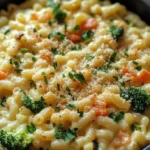
One Pot Veggie Mac and Cheese
- Total Time: 20 minutes
- Yield: 4 servings 1x
- Diet: Vegetarian
Description
A quick and comforting one-pot dish featuring tender macaroni in a creamy, cheesy sauce with bright, fresh vegetables.
Ingredients
- 8 oz (about 226 g) macaroni pasta
- 2 cups (480 ml) vegetable broth
- 1 cup (240 ml) milk (2% or your choice)
- 1 cup (about 113 g) shredded cheddar cheese
- 1 cup mixed vegetables (fresh or frozen)
- 1 tablespoon olive oil
- Salt and freshly ground black pepper, to taste
Instructions
- In a large pot over medium heat, add the olive oil and warm for 30 seconds.
- Add the mixed vegetables and sauté for 2–3 minutes until slightly tender and fragrant.
- Stir in the macaroni, then pour in the vegetable broth and milk. Give everything a gentle stir to combine.
- Bring the pot to a simmer, then reduce heat to medium-low. Cook uncovered for 10–12 minutes, stirring occasionally.
- Remove the pot from heat and stir in the shredded cheese until melted. Adjust consistency with more milk or broth if necessary.
- Taste and adjust seasoning with salt and pepper. Serve immediately while warm.
Notes
Use low-sodium broth and skip added salt for a healthier option. Can be made vegan with plant-based milk and vegan cheese.
- Prep Time: 5 minutes
- Cook Time: 15 minutes
- Category: Main Course
- Method: Stovetop
- Cuisine: American
Nutrition
- Serving Size: 1 serving
- Calories: 400
- Sugar: 5g
- Sodium: 550mg
- Fat: 15g
- Saturated Fat: 7g
- Unsaturated Fat: 5g
- Trans Fat: 0g
- Carbohydrates: 49g
- Fiber: 3g
- Protein: 17g
- Cholesterol: 30mg
Printable Recipe Card
Want just the essential recipe details without scrolling through the article? Get our printable recipe card with just the ingredients and instructions.


