Perfect Parmesan Garlic Bread — Easy Artisan Style
Introduction
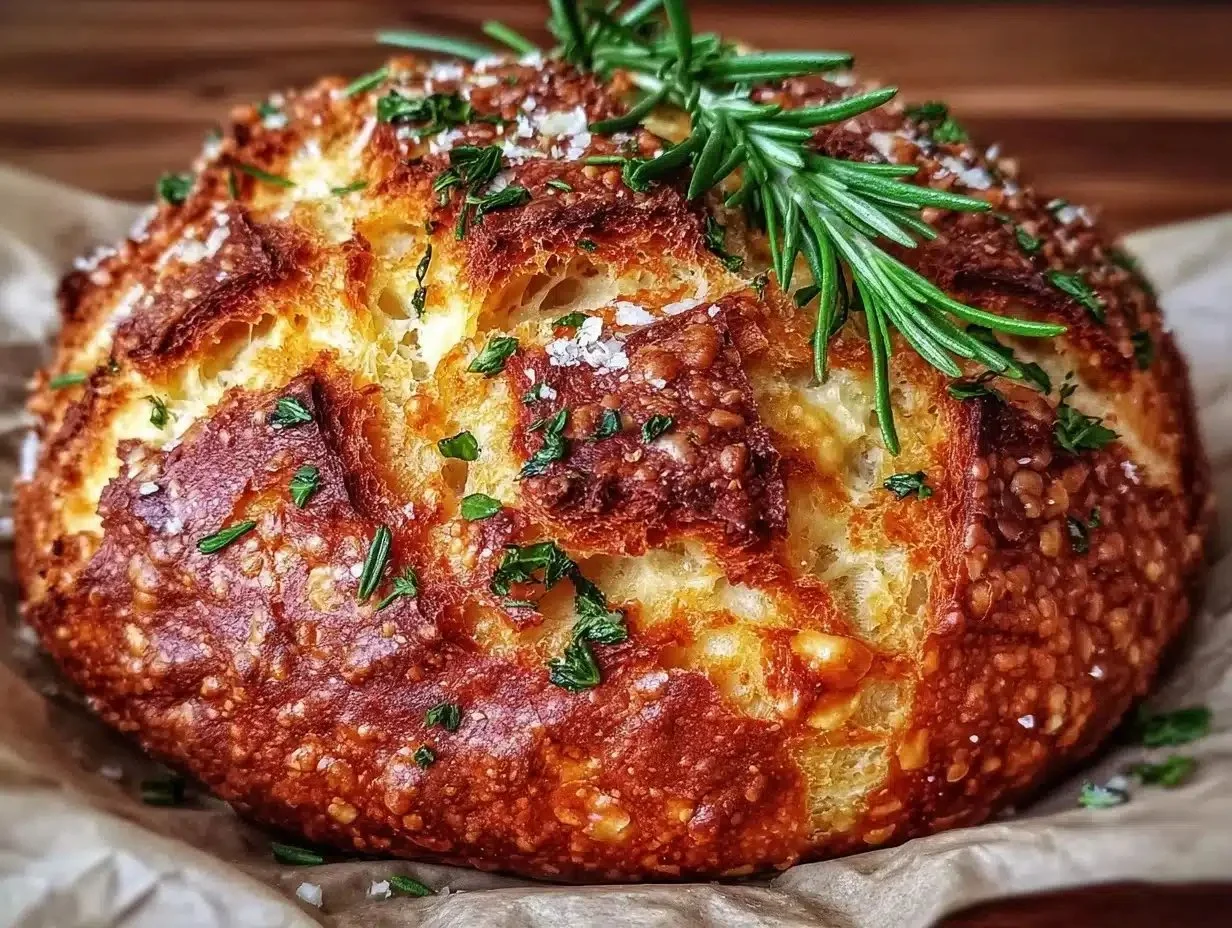
The moment this Parmesan garlic bread comes out of the oven, your kitchen will fill with a heady perfume of toasted parmesan, warm garlic, and olive oil — an aroma that slows you down and invites everyone to the table. The crust shatters into crisp, caramelized edges while the crumb stays tender and aerated, studded with salty-grassy pockets of freshly grated Parm and ribbons of roasted garlic. Each slice delivers a contrast of textures: a satisfying crunch, a soft inner chew, and a lingering savory finish that practically begs for another bite.
This loaf is perfect for cozy weekend breakfasts with a steaming mug of coffee, as an irresistible side for casual dinners or dinner parties, and as a centerpiece during festive gatherings when you want something simple that feels special. If you love cheesy, garlicky bread that’s still easy enough for a weeknight, you might also enjoy a quicker riff on this concept — see another cheesy favorite here: easy cheesy garlic bread.
Dish Snapshot
- Prep Time: 20 minutes active (plus 12–18 hours rising)
- Cook Time: 45 minutes
- Total Time: 13–19 hours (including overnight rise)
- Servings: 8 slices (serves 6–8)
- Difficulty Level: Easy — hands-off fermentation with simple shaping
Nutrition Highlights
Nutrition per serving (1 of 8 slices). Values are estimates based on ingredient weights and USDA FoodData Central entries; actual results vary with precise measurements and toppings.
- Calories: ~265 kcal
- Protein: ~10 g
- Carbohydrates: ~39 g
- Total Fat: ~8 g
- Fiber: ~1.4 g
- Sodium: variable (depends on added salt and parmesan); approx. moderate to high
Notes on the estimate: totals were calculated from the primary ingredients (390 g all-purpose flour; 100 g parmesan; 30 ml olive oil; 5 g sugar; plus garlic and salt). For general health guidance and nutrient reference values, consult sources such as USDA FoodData Central and Mayo Clinic. If you require precise nutrition for medical or dietary reasons, weigh your portions and use a dedicated nutrition calculator or consult a registered dietitian.
Why You’ll Love It
- Irresistible aroma and flavor: The combination of parmesan and garlic is a classic for a reason — it’s savory, slightly nutty, and deeply satisfying.
- Crowd-pleasing and versatile: Easy to scale up for gatherings and flexible enough to pair with soups, salads, or pasta.
- Minimal hands-on time: The long, slow rise delivers excellent texture with little effort — ideal if you want artisan results without advanced technique.
- Comfort with character: This loaf feels homemade and indulgent, perfect for creating warm memories around the table.
How to Make Perfect Parmesan Garlic Bread Recipe Easy Artisan Style
Ingredients
- 3 1/4 cups (390 g) all-purpose flour
- 2 teaspoons (10 g) salt
- 1 teaspoon (5 g) granulated sugar
- 2 teaspoons (7 g) active dry yeast
- 1 1/2 cups (360 ml) warm water (about 110°F / 43°C)
- 2 tablespoons (30 ml) olive oil
- 1 cup (100 g) freshly grated parmesan cheese
- 2–3 cloves garlic, minced (about 9 g)
- 1 tablespoon (15 g) chopped fresh rosemary or parsley (optional)
Optional ingredients and substitutions
- Butter: swap olive oil for 2 tablespoons soft butter for a richer flavor.
- Vegan: use vegan parmesan and olive oil; the dough is naturally free of dairy until cheese is folded in.
- Gluten-free: replace with a tested gluten-free flour blend (texture will differ; follow package hydration guidance).
- Add-ins: sun-dried tomatoes, chopped olives, or grated mozzarella for oozy pockets.
Method & Process
- In a large mixing bowl, whisk together 3 1/4 cups (390 g) all-purpose flour, 2 teaspoons (10 g) salt, and 1 teaspoon (5 g) granulated sugar.
- In a small bowl, dissolve 2 teaspoons (7 g) active dry yeast in 1 1/2 cups (360 ml) warm water (about 110°F / 43°C). Let it sit about 5 minutes until foamy.
- Pour the yeast mixture into the dry ingredients. Add 2 tablespoons (30 ml) olive oil and stir with a wooden spoon until a sticky dough forms — don’t worry, it should be tacky.
- Fold in 1 cup (100 g) freshly grated parmesan and 2–3 cloves minced garlic. If using, add 1 tablespoon (15 g) chopped rosemary or parsley.
- Cover the bowl with a clean kitchen towel or plastic wrap. Let the dough rise in a warm place for 12–18 hours (overnight). It should double in size and look bubbly.
- Once risen, turn the dough onto a well-floured surface. Gently shape into a round loaf without overworking the dough to preserve air pockets.
- Place the loaf on parchment paper and let rest 30 minutes while you preheat the oven to 450°F (230°C). If using a Dutch oven, place it in the oven to preheat as well.
- Score the top with a sharp knife or lame to control expansion.
- Carefully move the parchment with dough into the hot Dutch oven, cover, and bake 30 minutes.
- Remove the lid and bake another 15 minutes, or until golden brown and hollow-sounding when tapped.
- Transfer to a wire rack and cool at least 30 minutes before slicing to set the crumb.
Practical tips
- Avoid overmixing once the flour is added; gentle folding preserves bubbles for an airy interior.
- If the dough feels too wet to handle, dust your hands with flour — excess flour can make the crumb dense.
- Use a thermometer: internal bread temp around 200–210°F (93–99°C) indicates doneness.
- If you don’t have a Dutch oven, bake on a preheated baking stone with a pan of water in the oven to create steam.
Best Pairings
- Classic pairings: Serve slices plain, spread with softened butter, or brush with garlic-herb butter right after baking for extra shine.
- Meal companions: Pairs beautifully with tomato-based pastas, salads, or roasted vegetables.
- Comfort pairing: Try it with a warm bowl of soup (a particularly lovely match is garlic-parmesan chicken soup) — see a compatible recipe here: garlic-parmesan chicken soup recipe.
- Entertaining idea: Slice and serve on a wooden board with an assortment of olives, cured meats, and a simple herb oil for dipping.
How to Store
- Room temperature: Store wrapped in a clean tea towel or paper bag for 1–2 days to preserve crust — avoid plastic at room temp or the crust will soften.
- Refrigeration: Not recommended for fresh bread; refrigeration speeds staling. If you must, keep in an airtight bag up to 3 days but expect a firmer texture.
- Freezing: Slice and double-wrap in foil or freezer-safe bags for up to 3 months. Reheat in a 350°F (175°C) oven from frozen until warm, or toast slices directly.
Pro Tips & Tricks
- Cheese distribution: Grate the parmesan finely and fold it gently so pockets of cheese melt throughout rather than forming a single layer.
- Garlic flavor: For a milder, caramelized garlic note, roast whole garlic cloves first and fold them in mashed — adds depth without sharpness.
- Crust control: For extra glossy, blistered crust, brush the loaf with a little olive oil after removing the lid for the final bake.
- Herb timing: Add delicate herbs (parsley) near the end of mixing; hardy herbs (rosemary) hold up well during fermentation.
Creative Twists
- Cheesy herb pull-apart: Slice the cooled loaf partially into wedges, brush each layer with garlic-butter and extra parmesan, then rewarm for a pull-apart presentation.
- Spicy parmesan: Add 1/2–1 teaspoon red pepper flakes to the dough or sprinkle on top before baking for a gentle heat that contrasts the cheese.
- Vegan variation: Use olive oil plus a vegan Parmesan alternative and a sprinkle of nutritional yeast for savory depth.
- Stuffed center: Before the final rest, press a ring of chopped olives or sundried tomatoes into the center for a savory surprise.
Recipe Q&A
Q: Can I speed up the rise if I’m short on time?
A: Yes—place the dough in a slightly warmer spot (not hot) for 2–3 hours until doubled; the flavor will be less developed than the long, slow rise.
Q: My crumb is dense — what went wrong?
A: Likely overworking the dough or not allowing enough rise. Be gentle when shaping and allow the full 12–18 hour fermentation when possible.
Q: Can I make this without a Dutch oven?
A: Yes—bake on a preheated baking stone or sheet and add a pan of hot water to the lower rack to create steam for crust development.
Q: How can I make this lower in sodium?
A: Reduce added salt slightly and use a lower-sodium parmesan or decrease the amount of grated cheese on/in the loaf.
Q: What’s the best way to re-crisp slices?
A: Toast slices in a hot oven (350°F / 175°C) for 5–8 minutes or use a toaster oven for a quick crisp-up.
Conclusion
I hope this artisan-style Parmesan garlic bread inspires you to pull on a cozy sweater, invite a friend, and savor the kind of simple luxury that only warm bread can deliver. If you’d like a slightly different artisan approach, check this detailed version for more technique notes at Artisan Garlic Parmesan Bread – Life Made Simple, or explore a no-knead roasted-garlic take with a peppery twist here: No Knead Roasted Garlic Parmesan Bread with Black Pepper.
If you make this loaf, please share a photo or comment — I’d love to hear how it turned out and what variations you tried. Happy baking!